For all conditions
| Topic | Skiing | Nordic conditions |
| Outsiders | Malva Björkman Tom-Oliver Hedvall Henna Palosaari Martin "Bruce" Lundberg Magnus Granér |
| Location | Sweden |
| Conditions | Wind, cold, flat light and variable snow |
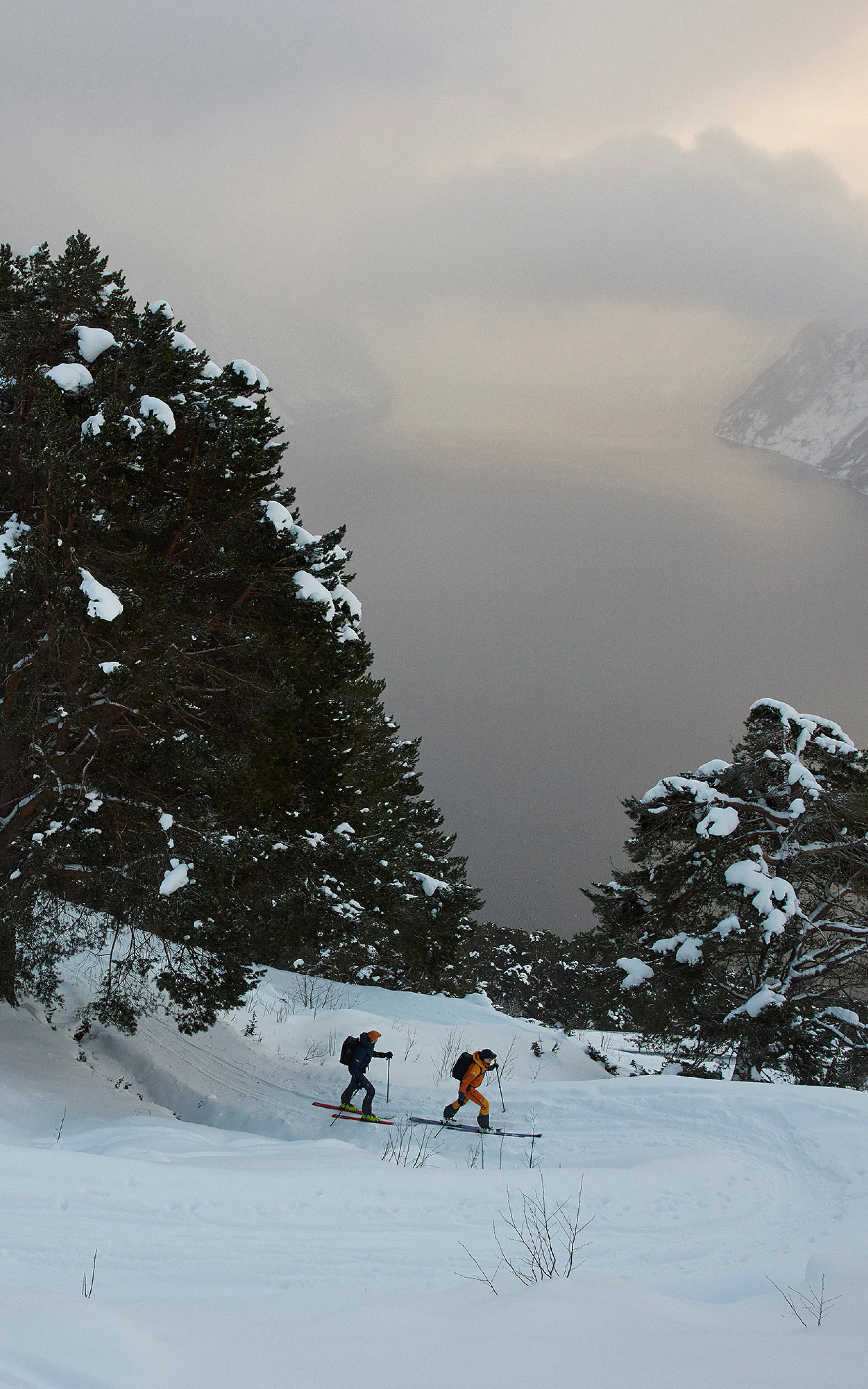
Coming from Sweden, we talk about crafting gear for abrupt weather changes like it's part of our daily life. Well, that's because it is. But don't take our word for it. We asked our Outsiders By Nature to tell us their side of the story in four parts. How they experience the Swedish weather, the light, the snow – and why they wouldn't trade it for the world. Malva, Tom-Oliver, Henna, Bruce, and Magnus: you have the stage.
Wind speed
Avg: 6.5–7 m/s
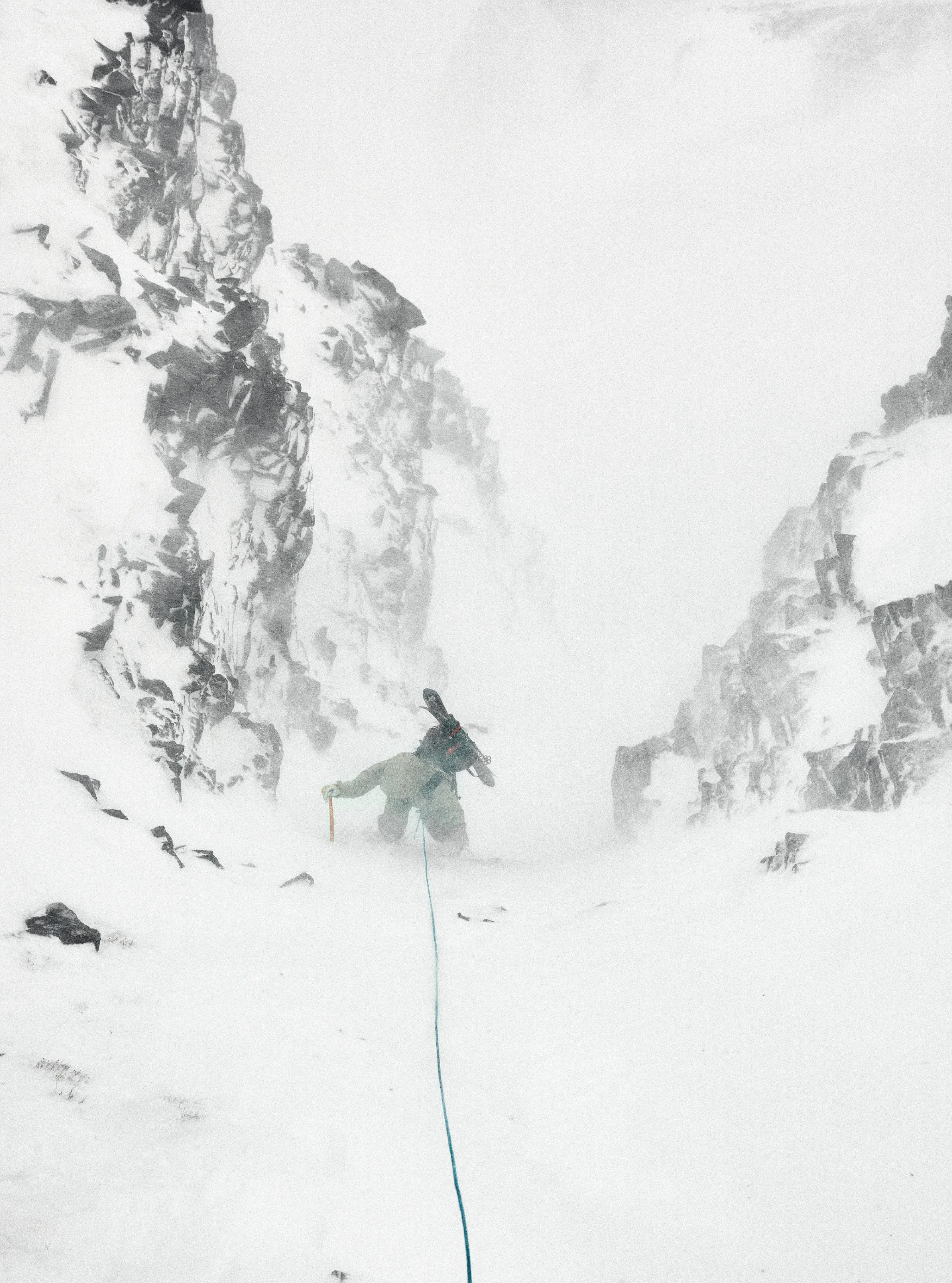
Tom-Oliver, freeskier and filmmaker, opens the conversation: "The climate in Sweden is tougher to deal with. There’s more wind. It’s colder than in the Alps. The weather changes quickly – especially up in the mountains. This puts higher demands on what you wear."
Magnus, freeskier and co-founder of 1000skis, elaborates on why he sees these challenges as a blessing, not as a curse: “Growing up in Sweden means you’re ready for any kind of weather. In terms of wind and the cold, you’re prepared for the worst, right from the start.”
Henna, a passionate snowboarder and cyclist, agrees with the two. Yet, she’s quick to point out that not even the most challenging winter days present a reason to stay inside: “The thing is, the weather often looks worse from the outside, but once you’re in it, and you’re properly geared up for it, it’s really not that bad after all.”
Winter Solstice
Sunrise: 9:16 am | Sunset: 2:36 pm
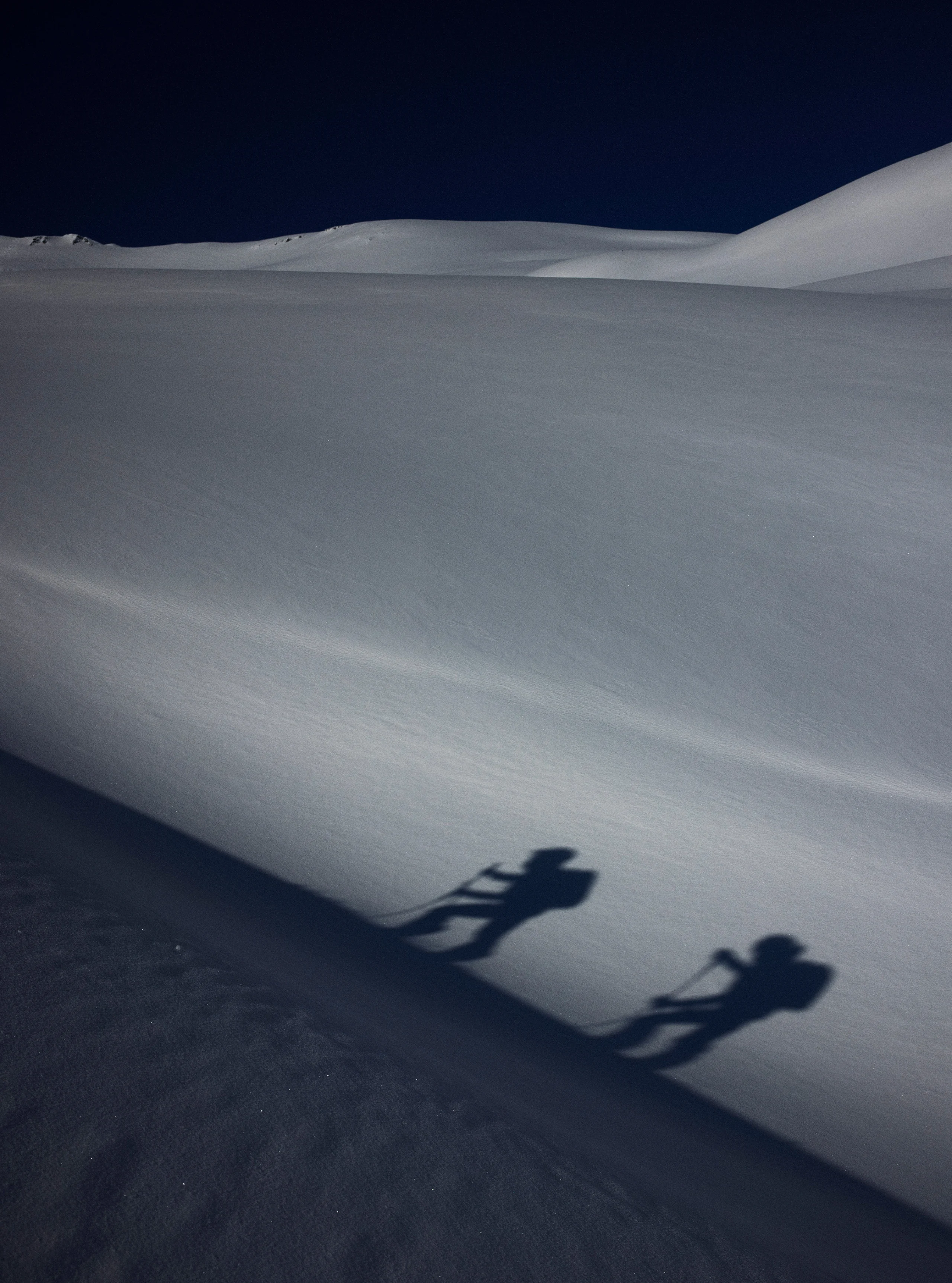
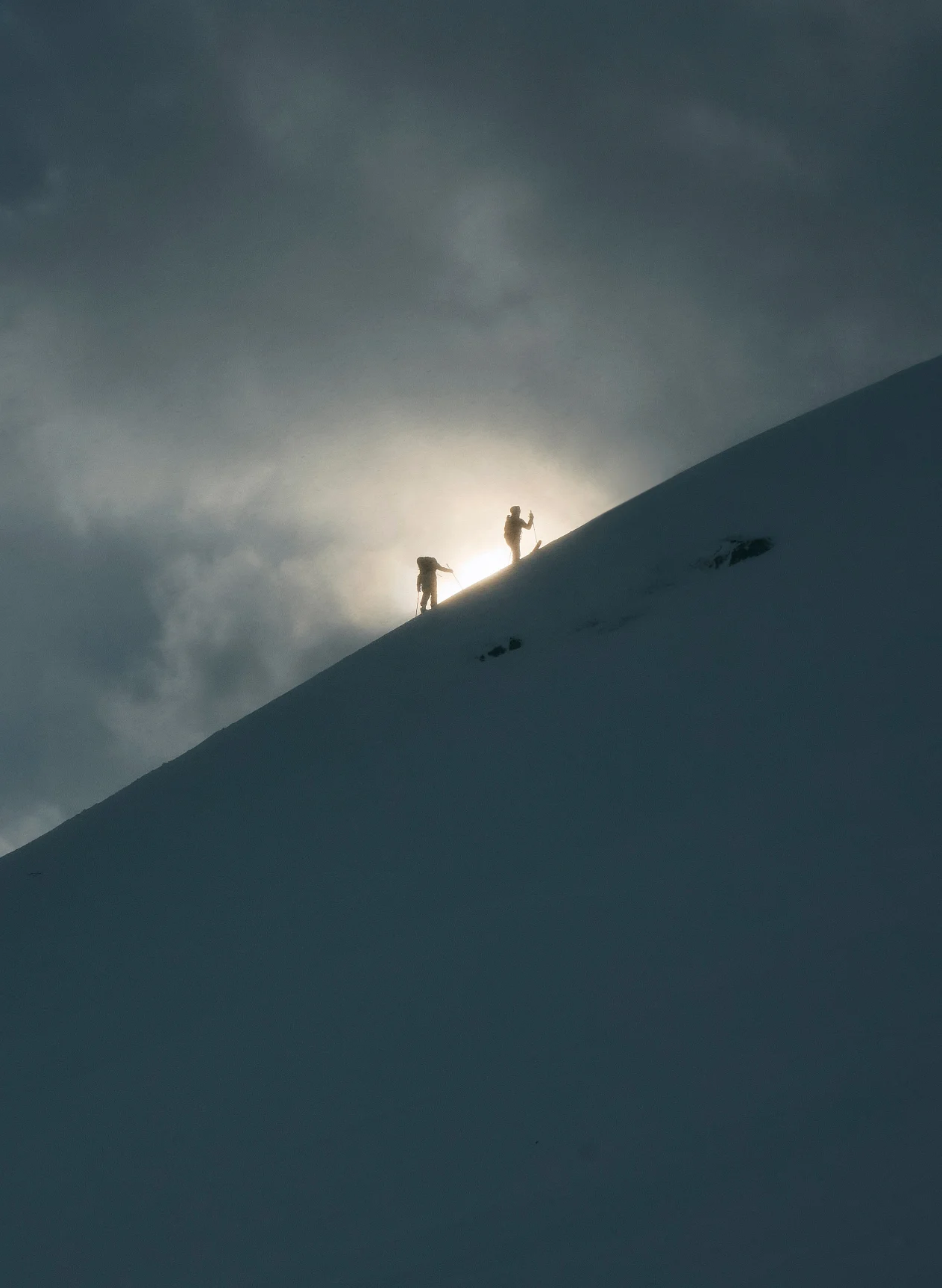
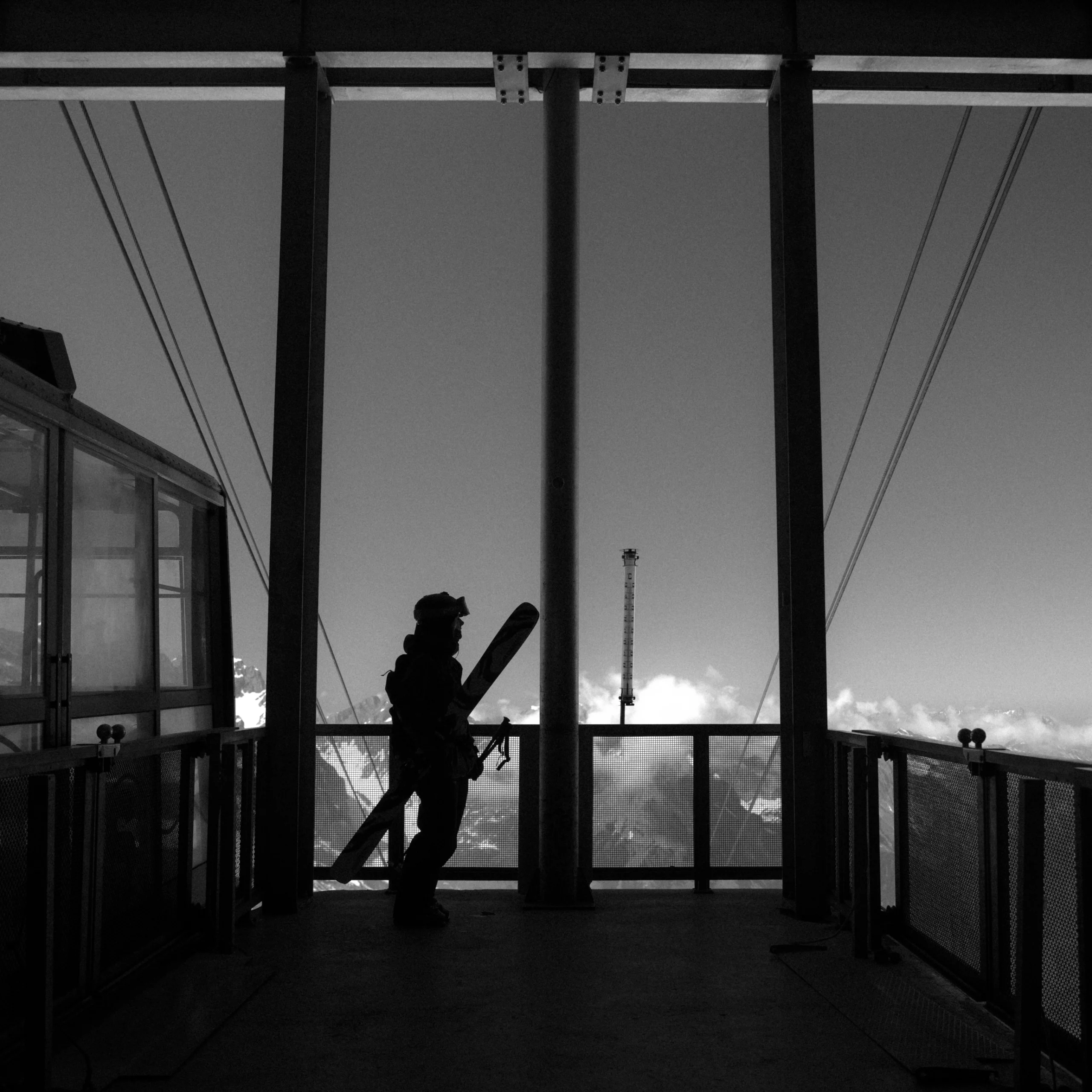
As an experienced mountain guide, Martin "Bruce" Lundberg has established a close bond with the terrain – and its unique qualities: "What’s cool about the Swedish mountains is the arctic light you get early in the season. Where I live in Åre, the sun starts setting at around three in the afternoon. That means you can get these absolutely magical sunsets quite early in the day."
Malva elaborates on the particular type of sunlight the low winter sun provides: "Another unique thing about Sweden is the flat light. The contours in the snow just disappear, and you can’t really see what you’re skiing on. That’s really common, especially above the tree line."
Bruce chimes in with his advice on how to master these conditions: "I think you become a very good skier by not being able to see every formation but feeling them instead. It takes a certain technique – you have to feel the surface. You soften your knees, your legs, your whole body."
Snowfall
Yearly average: 121-236cm
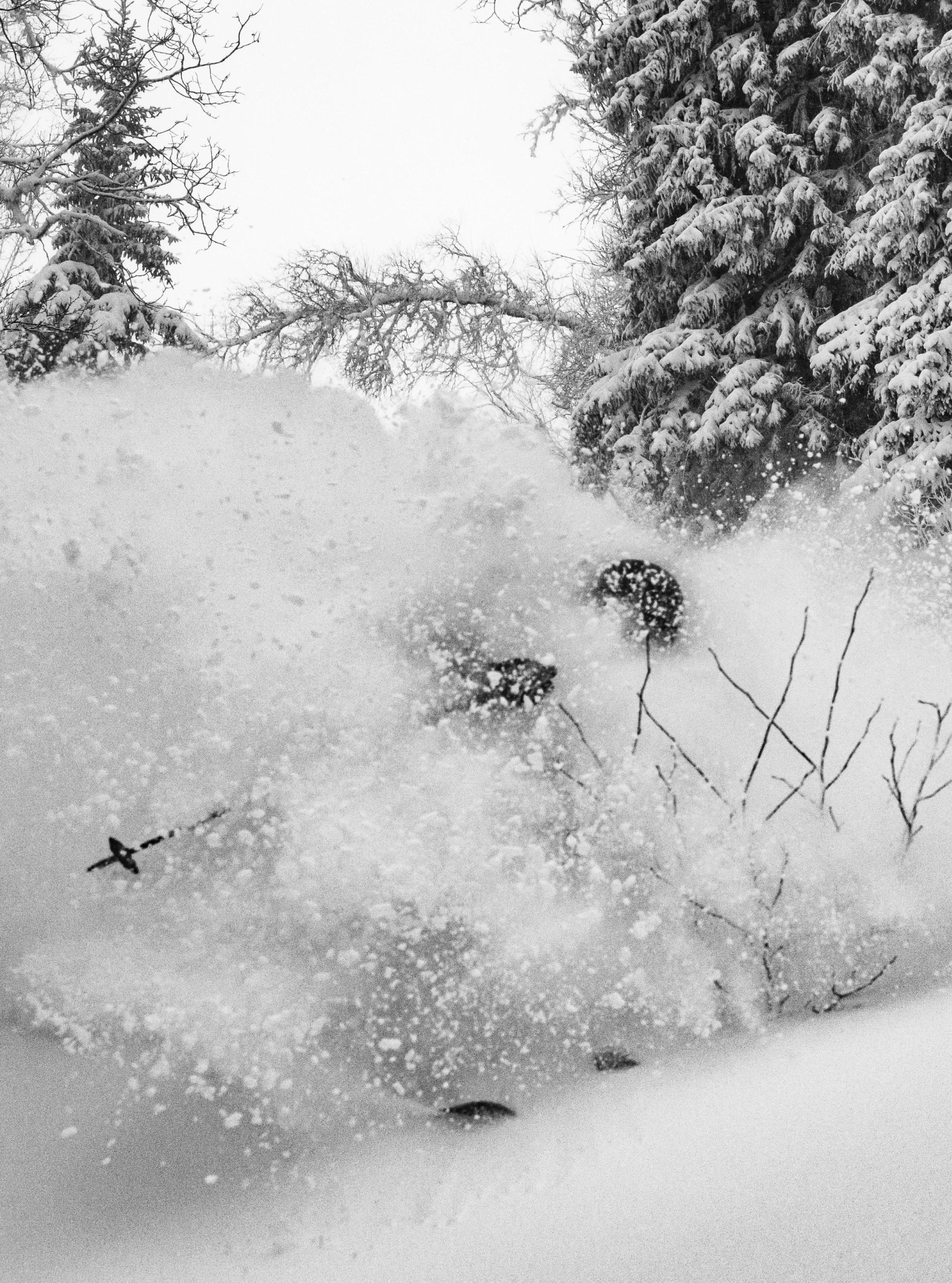
One could think snow is the same everywhere you ski. But ask Tom-Oliver and he'll tell you which conditions you can expect in the remote Swedish backcountry: "Due to the strong winds, sometimes the mountains are blown completely clean of powder. Then, we ski on nothing but ice and hard-packed snow."
Magnus acknowledges that this is a big part of why Swedish people tend to be good skiers: "People often say Swedish skiers are really well-trained in terms of snow conditions – it’s often rock hard."
Tom-Oliver adds: "And you learn to deal with the hard snow. I also think Swedish people aren't great powder skiers – we just don’t get it that often. It’s not our natural habitat. But we’re good at handling varied, difficult conditions."
If this all sounds like our Swedish community is complaining about the conditions, let's let them clear this up themselves. Bruce goes first: "You get really good at making the most of the good days. I think that’s a big advantage for us. If you have long stretches of good conditions all the time, it’s easy to get complacent and take it for granted. But here, we’re better at seizing the moment when the light is good – and skiing a lot on those days."
Having learned to master the Swedish weather – whether that's by climbing, cycling, skiing, or hiking through it – Malva confirms the rewarding nature of Nordic exploration: "It feels more like you’ve earned it in Sweden. When you get good conditions here, it feels more special compared to the Alps."
Henna agrees, providing her own take: "I actually enjoy the roughness of Nordic conditions – it’s rewarding when you push through it."
Tom-Oliver wraps it up nicely: “When we do get good conditions, I think we’re among the most grateful skiers in the world. Because when it’s good at home, it’s really, really good. There’s something about when home turns great. It’s unbeatable.”