Shell guide
Shell Guide
How to stay dry in wet conditions
Do I need a waterproof jacket?
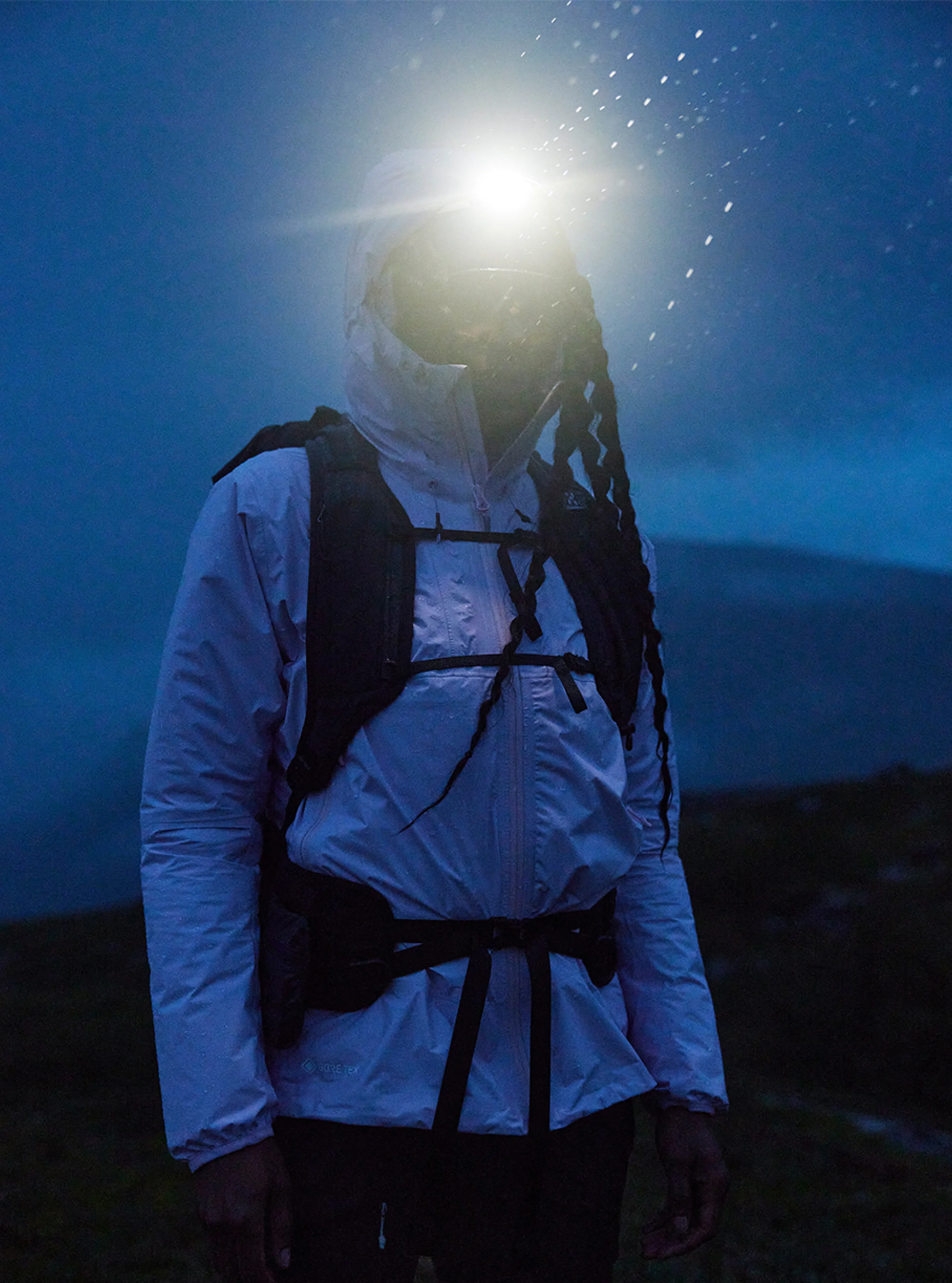
When the weather shifts, any barrier between you and the elements will help. At least for a short time. Once a fabric is soaked with rain or snow, it tends to lose its warming and protective properties. Since always waiting indoors for sunny weather is also not the solution, finding the right waterproof jacket is key.
By keeping water out, you will – you guessed it – stay dry but also avoid getting cold when you're out exploring. Staying warmer and more comfortable will ultimately keep you out for longer. But waterproof jackets come in different types and strengths for different situations. Let's take a look at which one fits your endeavor best.

Which level of waterproofness do I need?
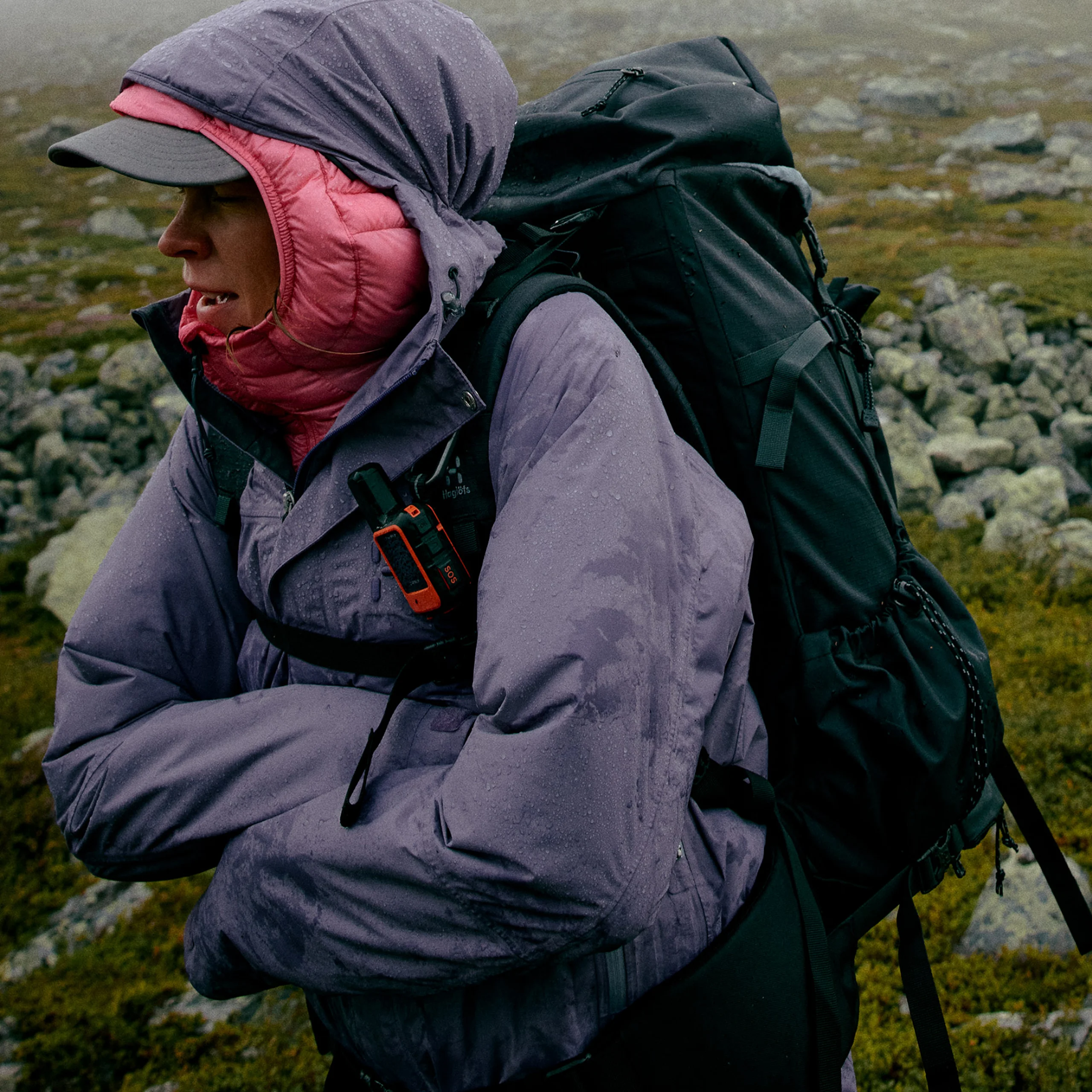
Not all rain showers are created equal. Some last only a few seconds, others irrigate the forests and fields for days on end. It also comes down to how long you intend to stay out and which activity you're planning for. Depending on these factors, here are some levels of weather protection to consider.
Water-resistant vs. waterproof
Water-resistant shells combine breathability and light weather protection. They can repel light rains but will eventually absorb moisture if the rain persists or gets heavier. Waterproof layers provide complete shielding from wet conditions, forming a solid barrier against heavy rain, snow, and prolonged exposure to moisture. It’s the gold standard for staying dry in extreme weather.
Hydrostatic head rating
Even among waterproof shells, there are different levels determining the ideal use case for each jacket. Measured using the hydrostatic head method, the higher these numbers, the higher the waterproofness of a waterproof garment.
0-5,000 mm Light showers, short excursions, fair weather.
6-10,000 mm Light rain, average snow, light pressure.
11-15,000 mm Moderate rain, heavy snow, medium pressure.
16-20,000 mm Heavy rain, wet snow, longer excursions.
20,000 mm + Heavy rain, wet snow, extreme conditions.
On top of that, the construction of your shell jacket plays a big role, too. In shell construction, “layers” refer to the number of fabric components bonded together to form the garment itself. Each layer serves a distinct purpose — protecting, supporting, or enhancing the performance of the membrane. The layering structure determines the shell’s overall durability, weight, and comfort, influencing how it performs in varying conditions and levels of activity.
2 Layers
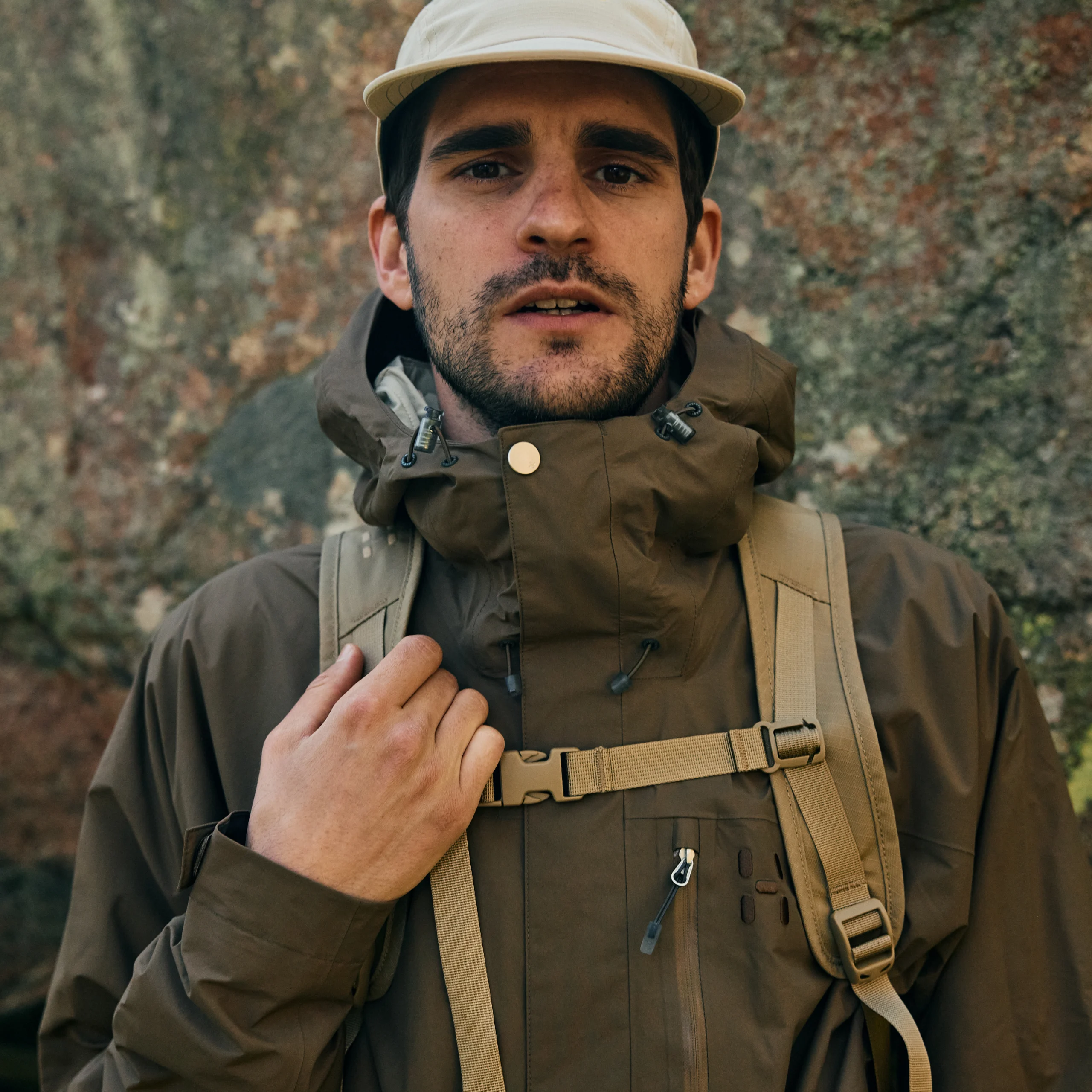
In a 2-layer shell jacket, the membrane and outer fabric are joined to form a single material. The membrane is often shielded by a mesh material that hangs loosely on the inside. There might also be a separate lining for increased durability, and insulation between the lining and the outer shell.
This is why a 2-layer jacket typically ends up being bulkier and slightly heavier than a 3-layer one.
2.5 Layers
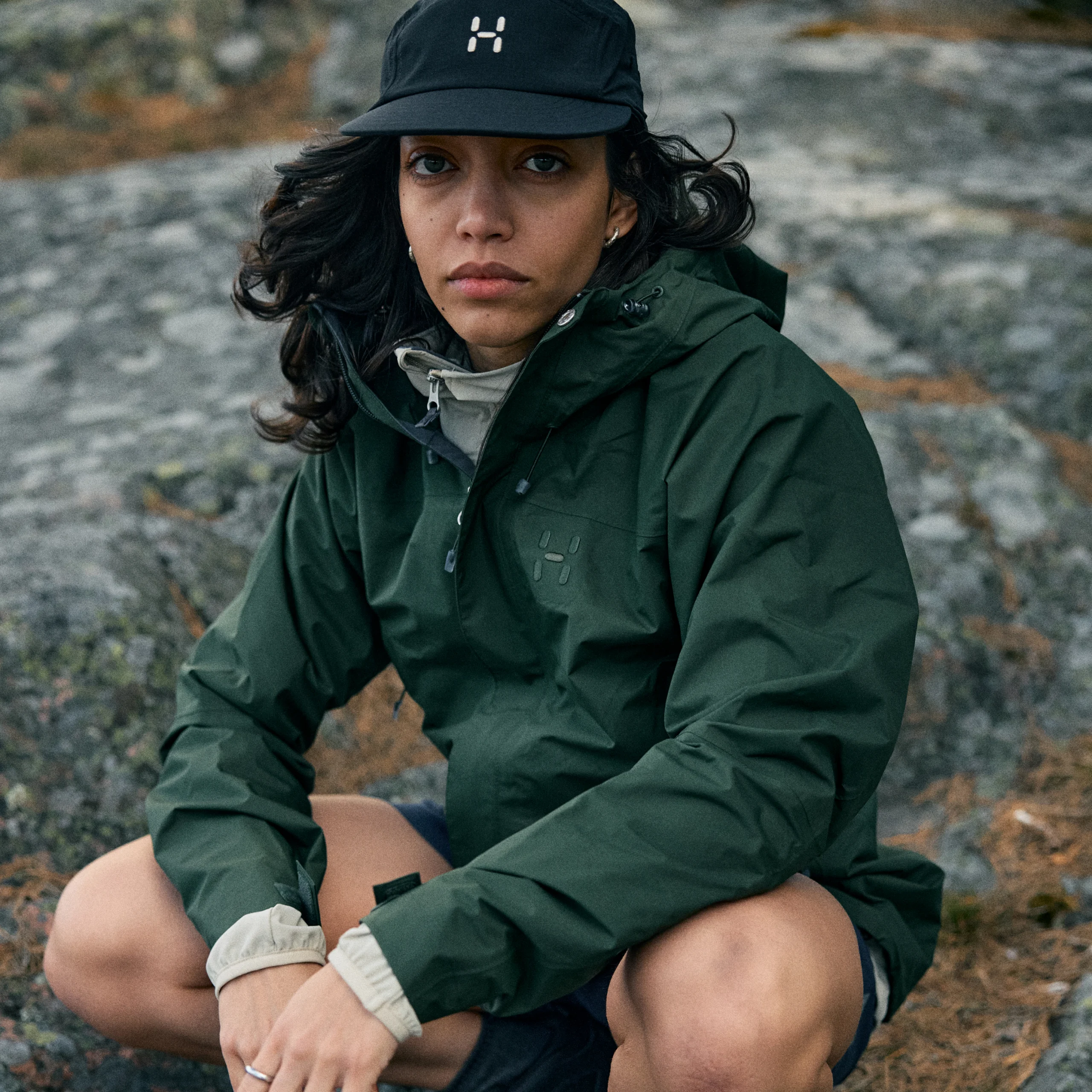
A 2.5-layer is a 2-layer shell with an extra coating on the inside of the membrane. The half layer – often a printed or sprayed substance on the inside of the jacket – enhances the durability of the membrane, and provides better resistance against sweat while enhancing comfort.
A 2.5-layer construction generally reduces the jacket's weight.
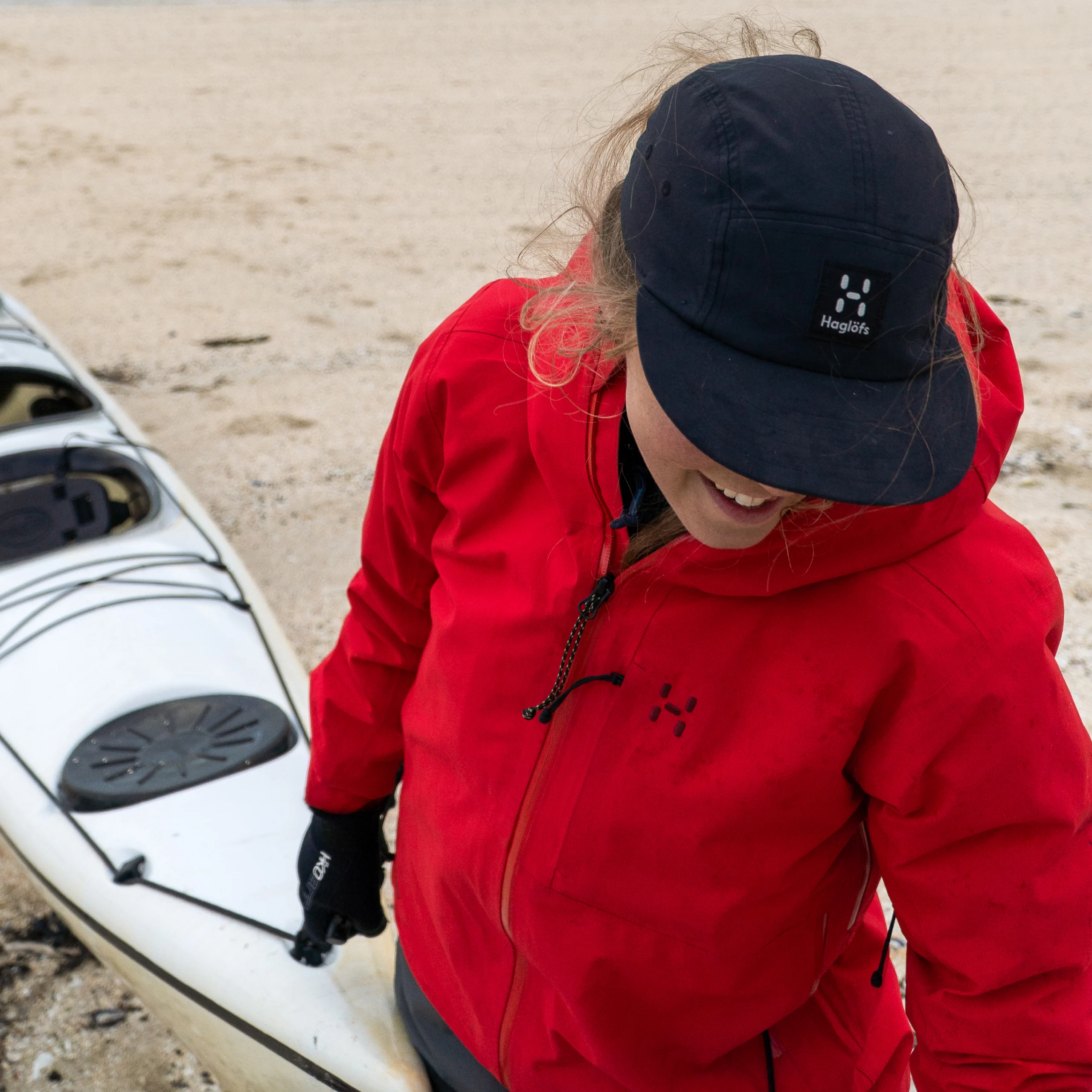
3 Layers
A 3-layer shell material combines an outer fabric, a membrane, and an inner layer that protects the membrane. These three components are bonded together, creating one material. However, there’s a wide range of technologies and materials.
Some 3-layers are lightweight, breathable, and flexible, while others are sturdy and robust, designed for heavy use and extreme adventures.
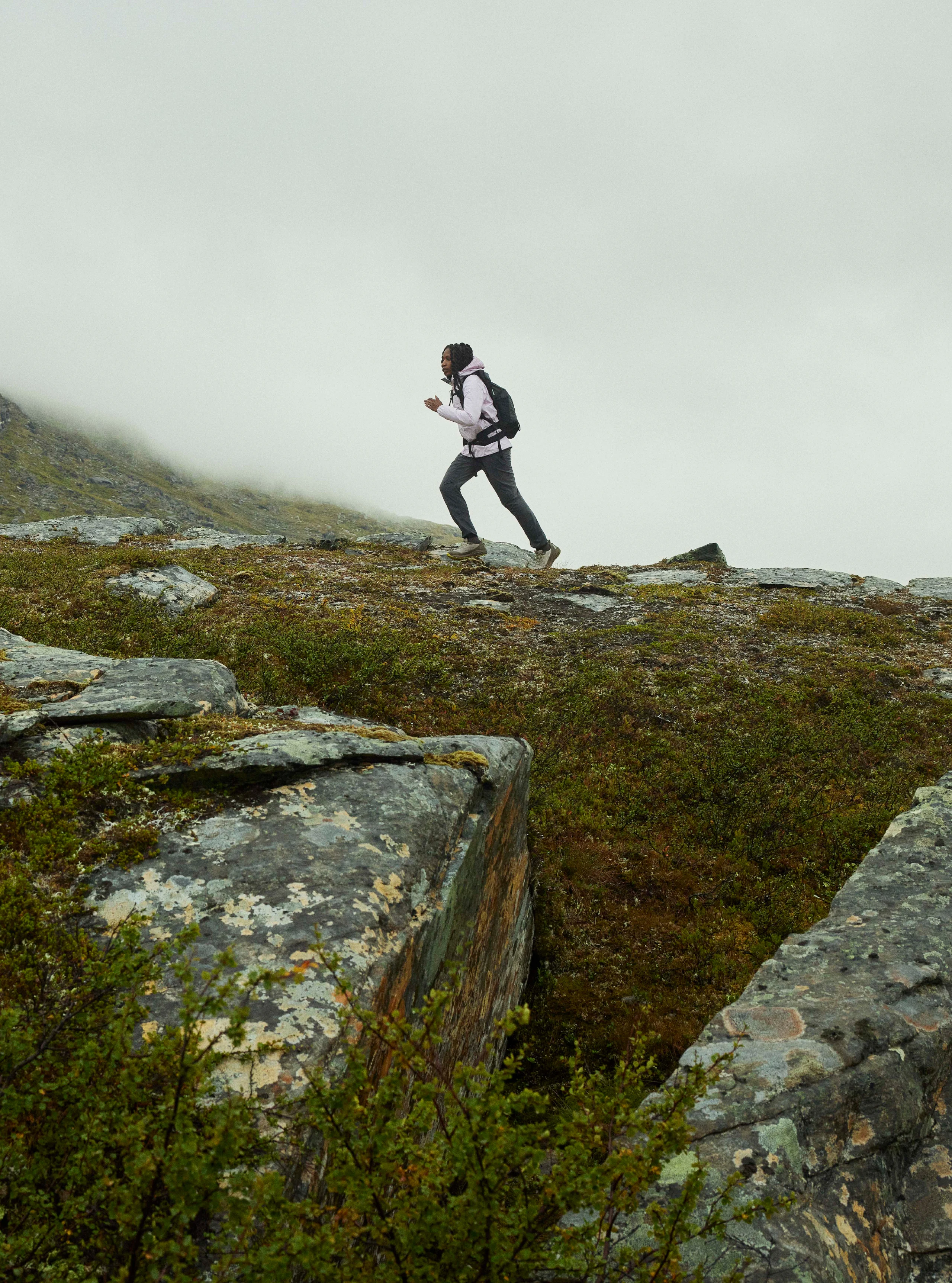
When do I choose which type of shell?
Whether a shell jacket meets your needs depends on the forecast as much as your plans. These scenarios are just a few examples that require different types of gear.
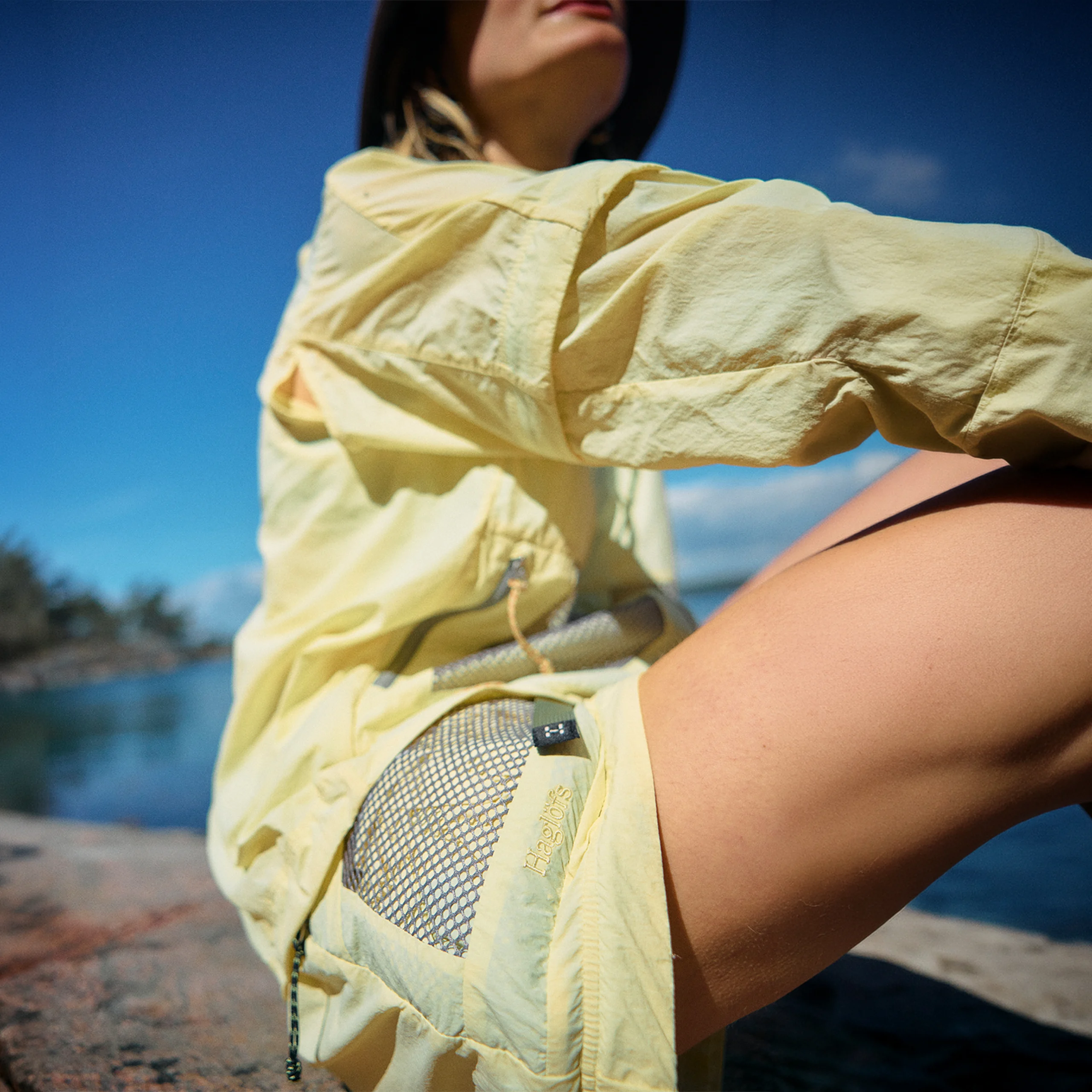
Summer day hikes
In warm, sunny seasons and regions, weatherproofing might not be your top priority. Opt for breathable designs with water-resistant DWR coating like the Solis Zip Off Jacket – built to keep you cool and ready for light showers.
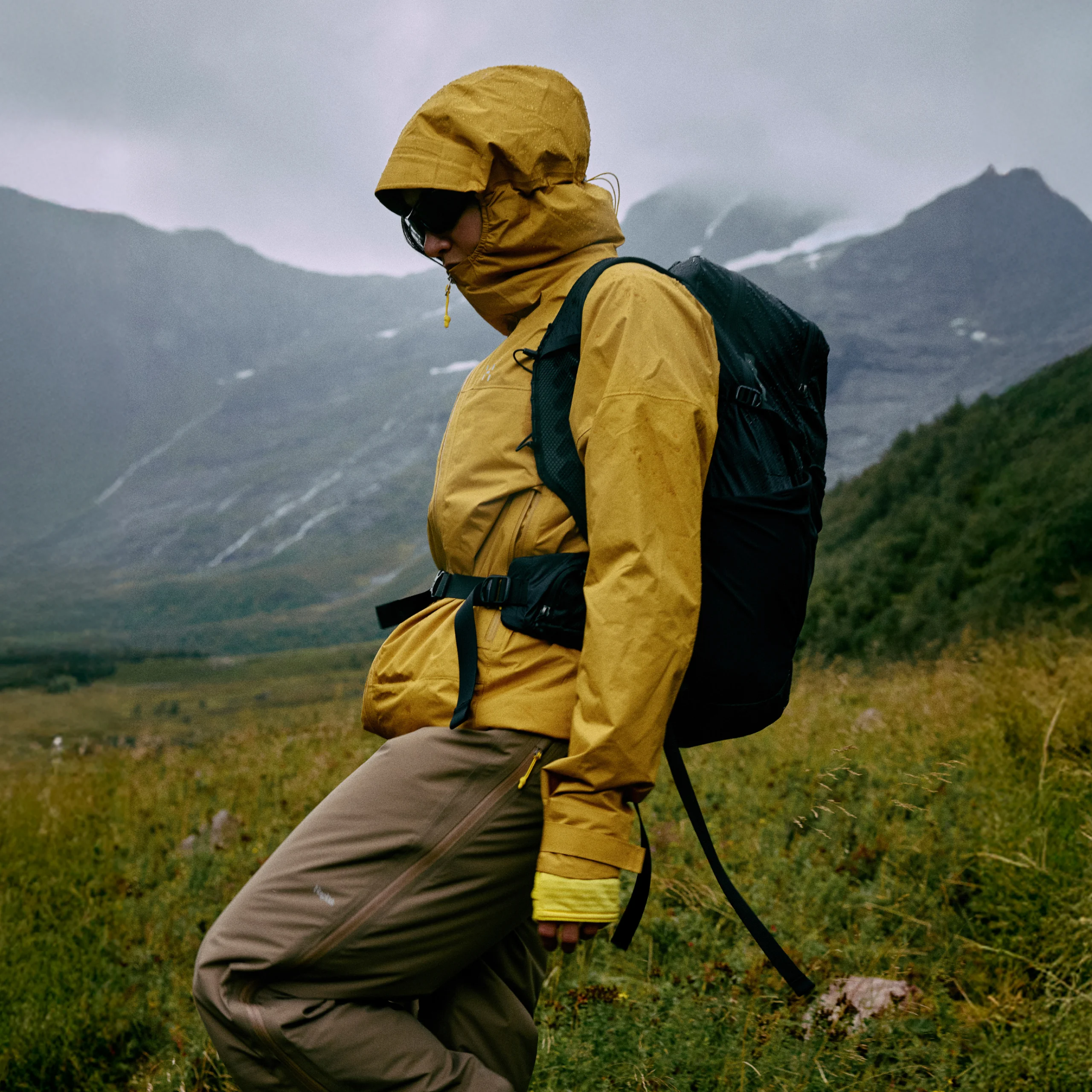
Classic rainy days
Picture this: You've got errands to run, places to be, and a slight but steady downpour shows no signs of stopping. In the Breeze PROOF Jacket, you're all set to go about your day as planned. With a hydrostatic head of 15,000 mm (preparing you for moderate rain) and a design that will seamlessly integrate into your everyday looks.
Multi-day treks
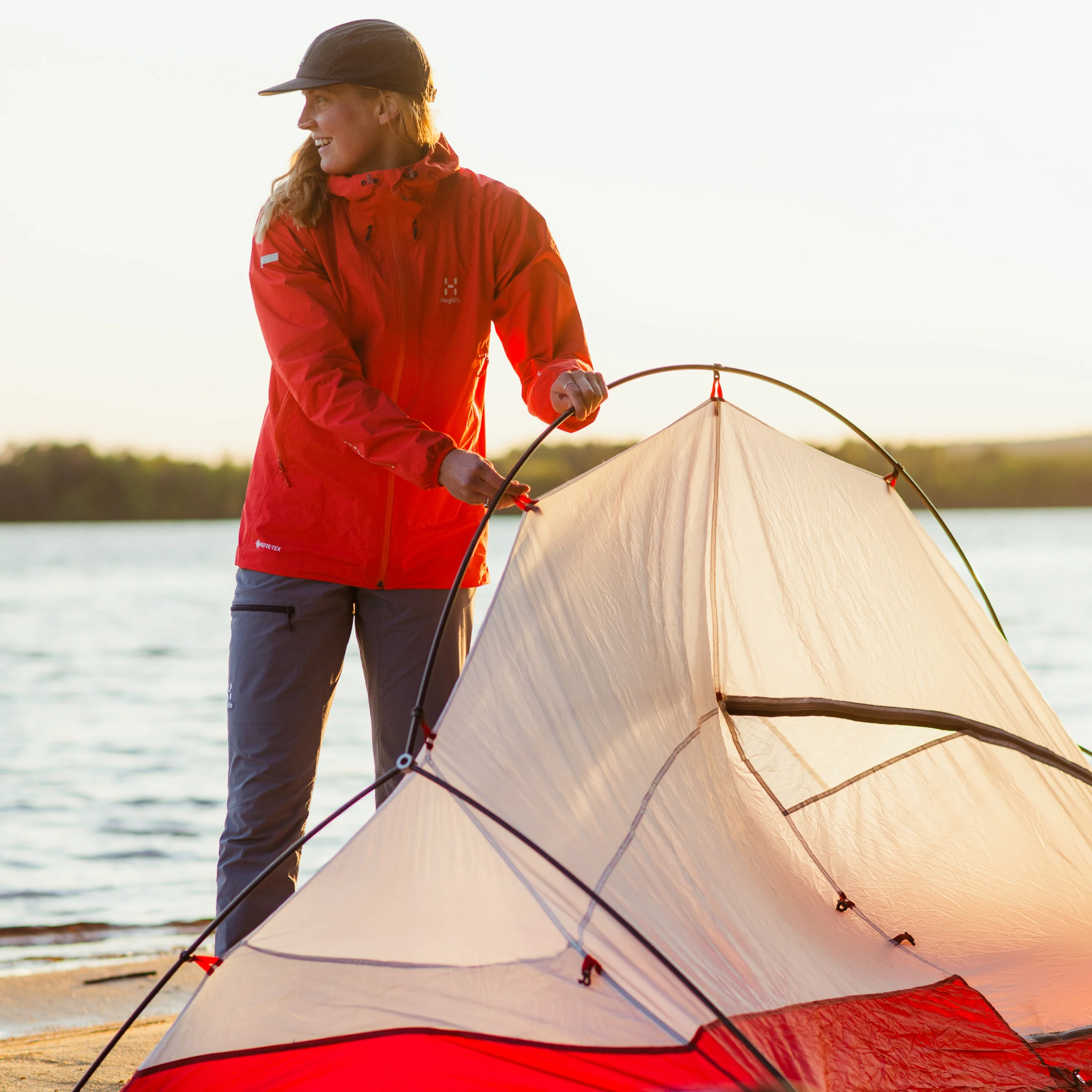
Longer tours require lightweight protection that can be activated and tucked away quickly. The L.I.M Airak 2.5L Jacket keeps you dry – even during heavy rainfall, thanks a hydrostatic head of 20,000 mm. Its 2.5-layer construction keeps the overall weight down and a packable design means it'll disappear in your pack quickly when the clouds pass.
Alpine ascents
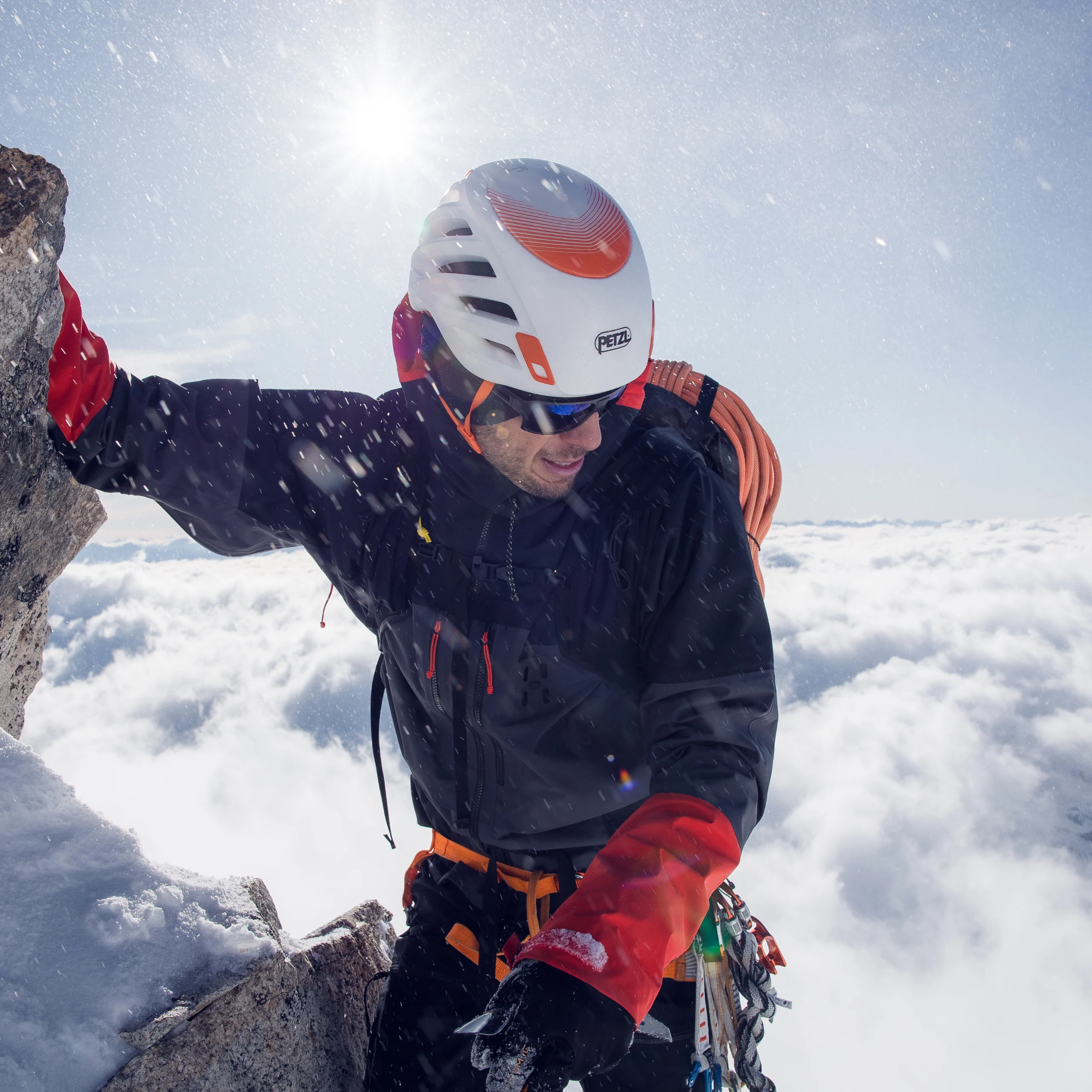
High above the treeline, conditions become unpredictable and staying dry is paramount. In these moments, the Spitz GTX Pro II Jacket is up to the task. A hydrostatic head of 28,000 mm equals reliable protection in extreme conditions, be it heavy rain, wet snow, or a mix of both.