Layering guide
Layering guide
How to stay warm in the cold
Why dress in layers?
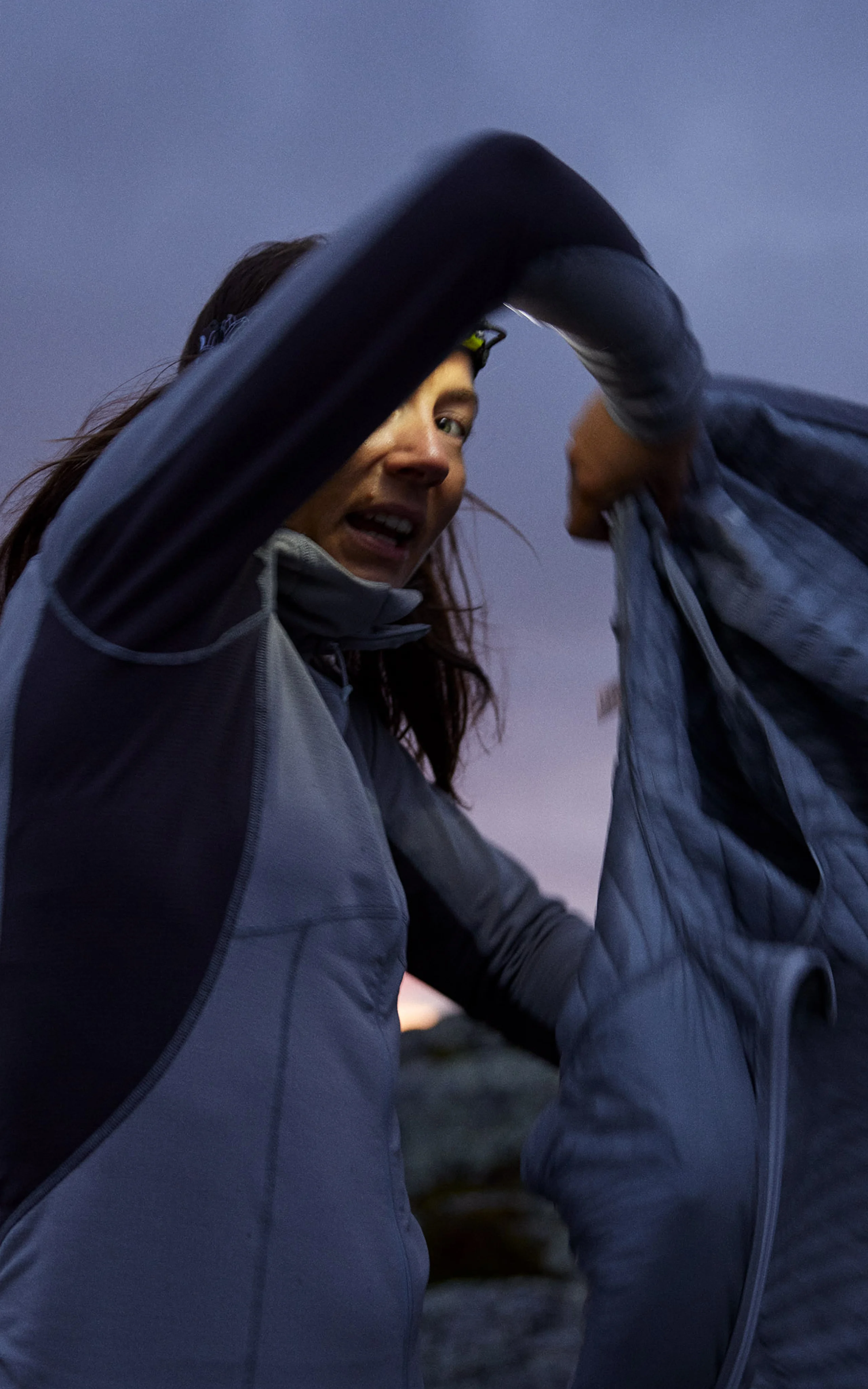
The art of layering is no secret. And it’s not that complicated either. When done correctly, dressing in layers gives you a great superpower while pursuing your favorite outdoor activities. That is, you stay warm and dry—and that means more time (and fun) outside.
Using the layering system when getting dressed for the outdoors gives you three main advantages:
- It moves moisture away from your skin
- It helps conserve heat
- It protects you from the elements
Using the layering system also gives you the flexibility to adapt to both changing activity levels and weather conditions by simply removing or adding layers, thus keeping you comfortable all day long. And while we’re talking about comfort, another benefit worth mentioning is that layering garments enables them to move over each other easily so that you, in turn, can move freely without any chafing.
Mastering the 3-layer system
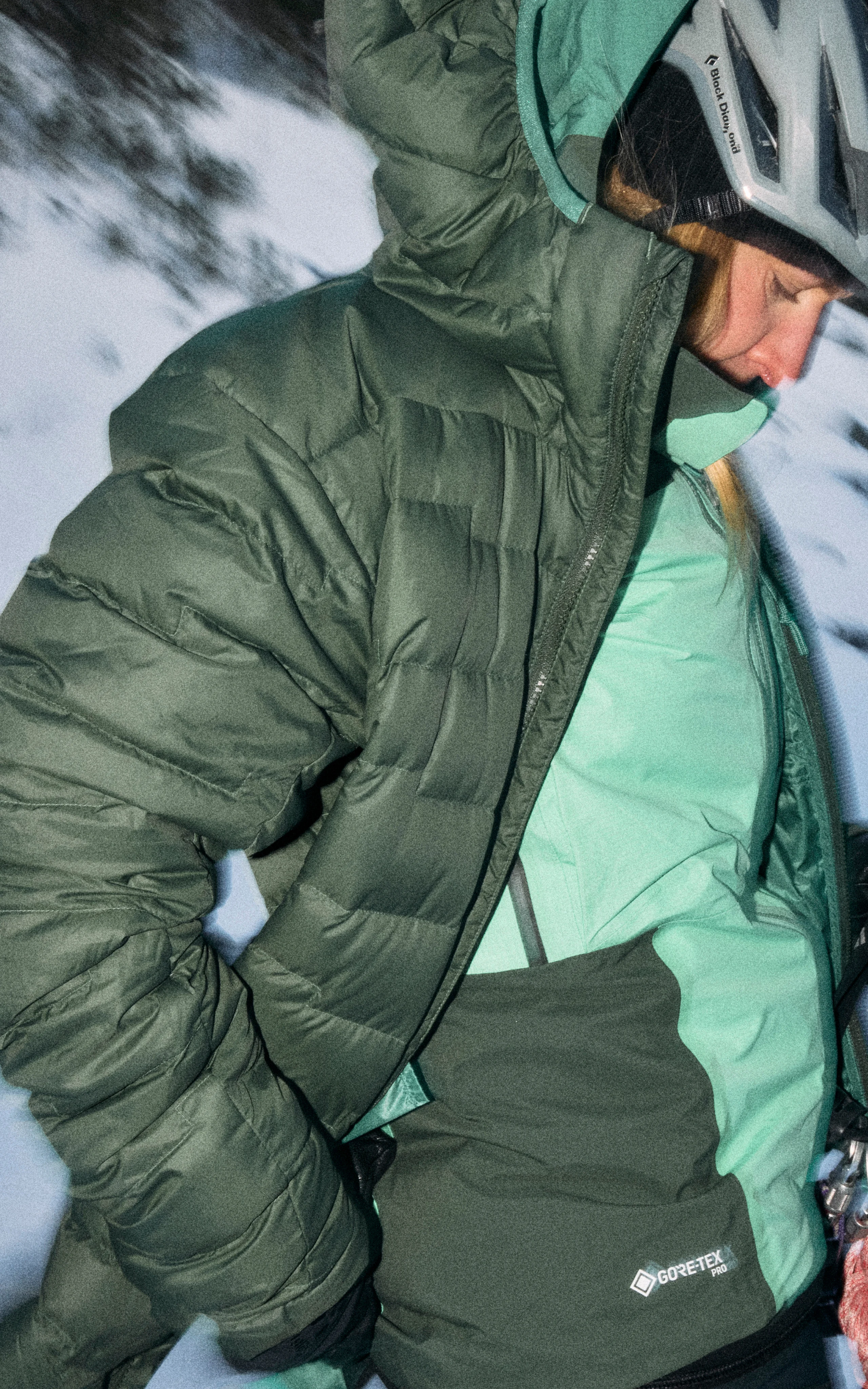
The most common layering system consists of a baselayer, a midlayer, and an outer shell. However, depending on the weather, you might consider increasing it to four pieces by adding a second midlayer. But first things first: here comes your foundation for warmth in nature.
Step 1: Choose the right baselayer
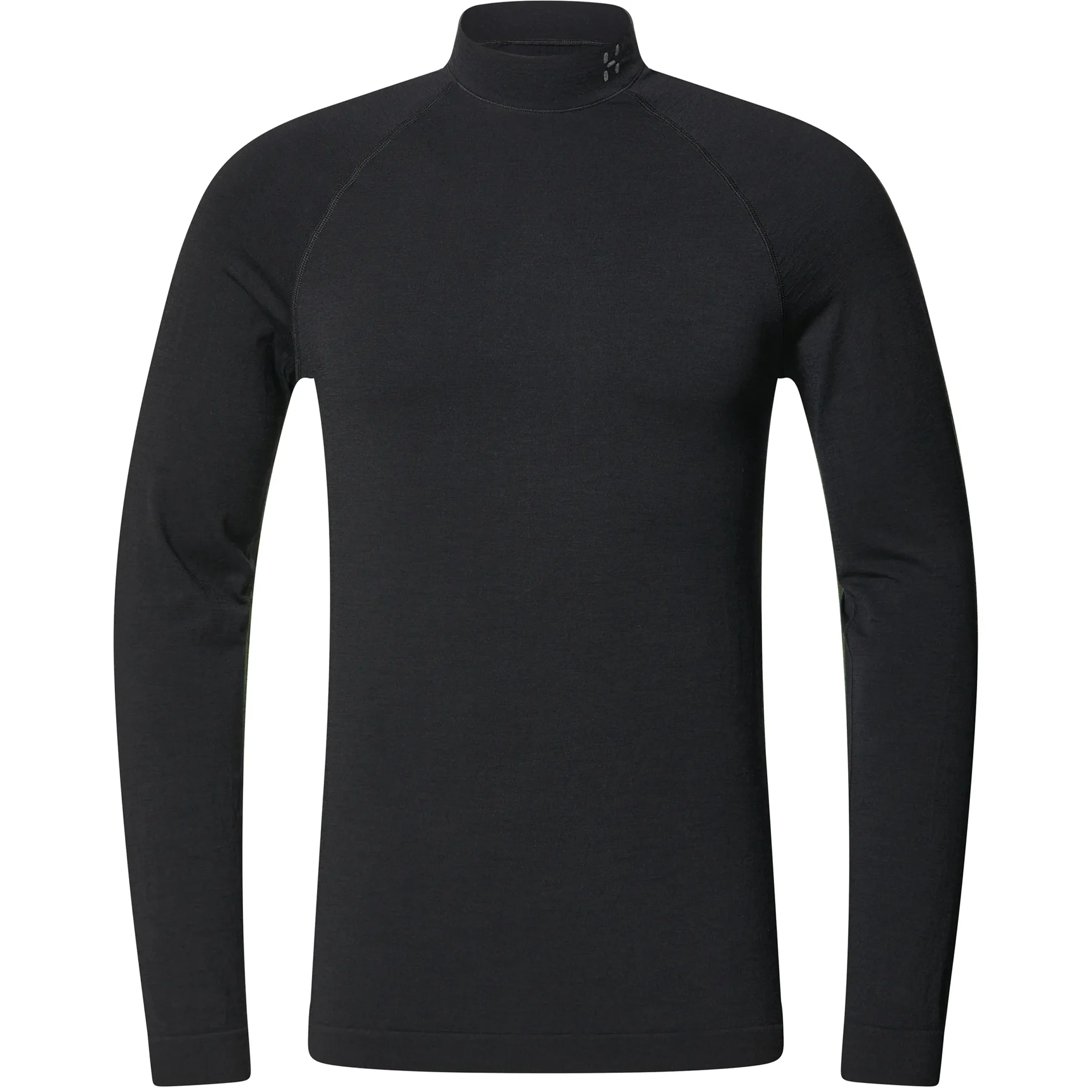
The baselayer is a thin layer worn directly on the skin. It regulates your body temperature but also works to wick away sweat and dry quickly when wet. To maximize these benefits, choose a lightweight baselayer with a snug fit.
On top of the fit, finding the right fabric for your adventure can make all the difference. But should you opt for innovative synthetics or naturally powerful wool? Let's take a quick look at how each can support your journey.
Synthetic baselayers:
- Efficiently wick away sweat and dry quickly
- More durable than natural materials
- Can develop odor
Wool (especially merino wool) baselayers:
- Offer more warmth
- Regulate body temperature to prevent you from sweating
- Naturally odor resistant
- Tend to dry slower than synthetic materials
The solution? Pick both. By blending temperature-regulating and odor-resistant wool with durable and flexible fabrics like elastane or polyamide, you get the best of both worlds in one piece.
Now that the baselayer is covered, let's move on to the next key piece.
Step 2: Match it with a midlayer
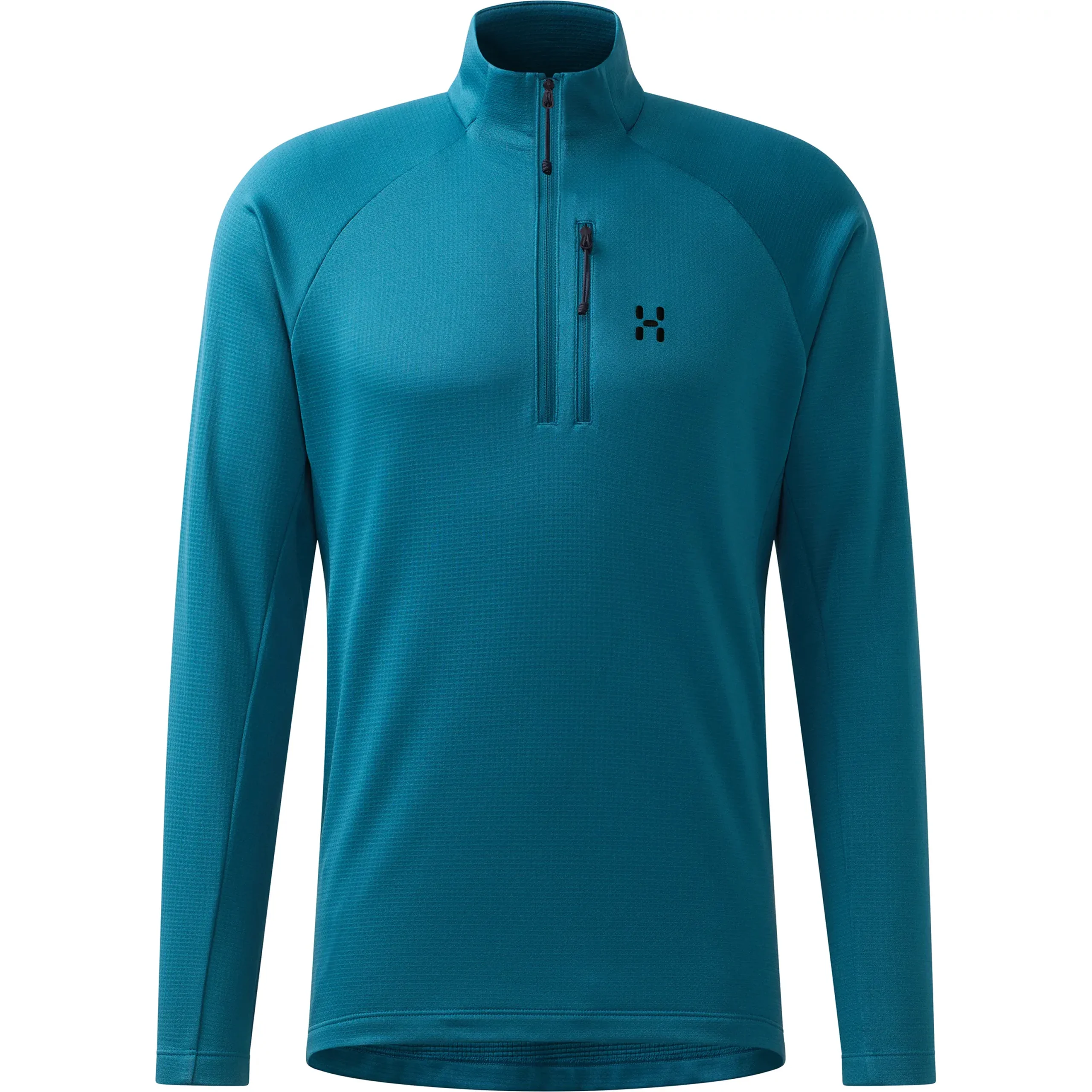
A midlayer is a thicker insulating piece that traps body heat – typically a fleece jacket or vest or even a light puffer jacket.
For faster-paced activities like trail running, a lightweight and breathable fleece is ideal. Cold-weather activities after sundown (or anything that involves standing outside for longer periods) might require an insulated jacket.
Once again, the material choice of your midlayer will influence your experience. Here's what you can expect from the most common materials.
Fleece (synthetic wool):
- Quick drying
- Durable
- Soft and comfortable
Wool:
- Especially warm
- Merino wool is especially soft
- Naturally odor resistant
- Can be itchy
Down (duck/goose feathers):
- Warmest insulation (the more fill power, the warmer)
- Packs small
- Ideal for dry conditions
Synthetics:
- Warm insulation, even when damp
- Breathable
- Not as compressible as down
So what to choose? In this case, it's not that simple. When it comes to midlayers, it's less about what's right, and more about what's right for you and your plans. On to the grand finale of your cozy, warm outfit.
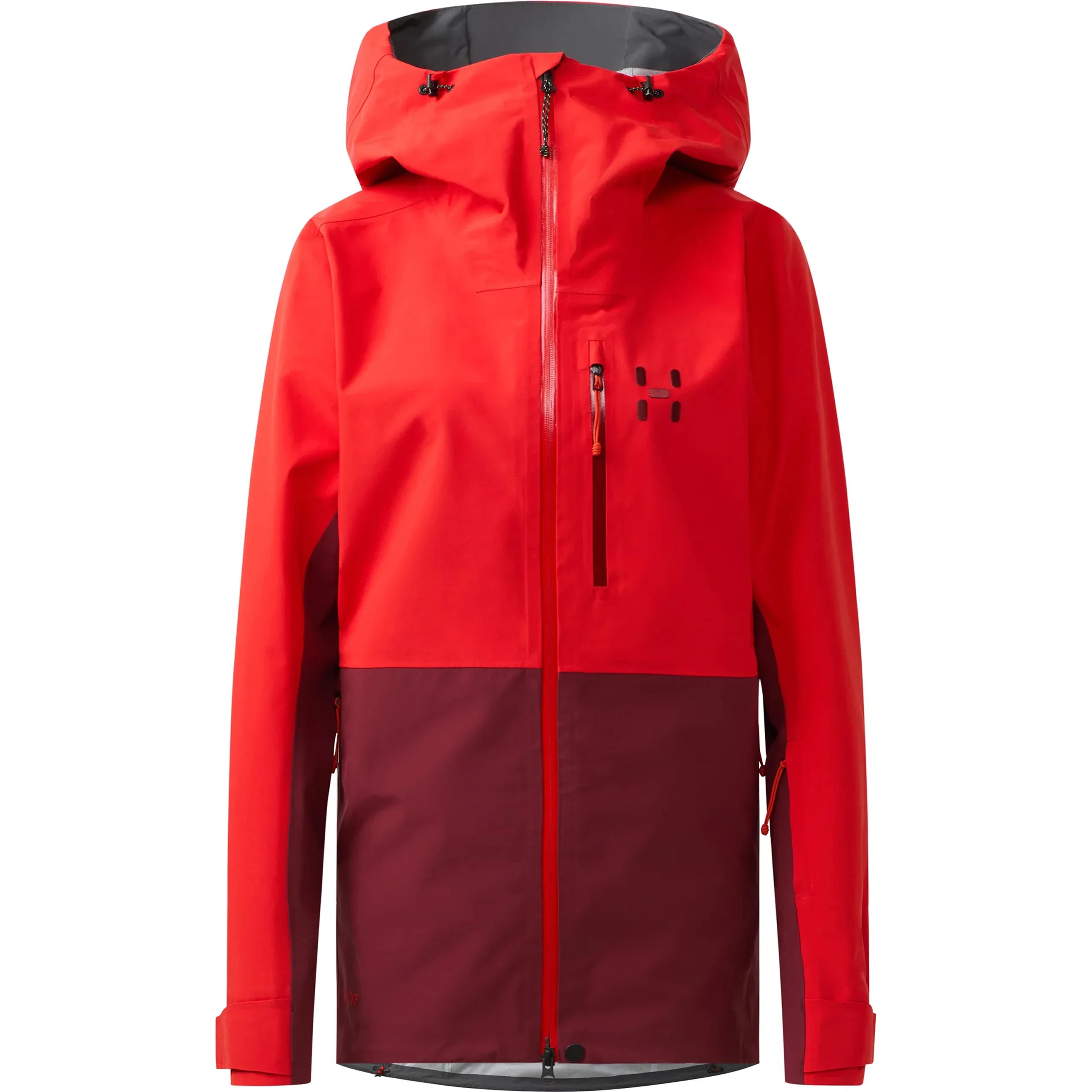
Step 3: The finishing shell
Welcome to the final step of your layering endeavor: the outer shell. It helps repel the elements and keeps the layers underneath dry. And, you guessed it, there are different levels of protection provided by different types of shell layers.
Which one you should choose depends on your activity level as well as the weather conditions you expect to face.
Waterproof outer shells:
- Ideal for rainy days
- Protect you from heavy downpours
- Stiffer material
Water-resistant outer shells:
- Lightweight
- Offer light protection from rain and wind
- Better suited for high levels of physical activity
Wind-resistant outer shells:
- Water and wind resistant
- Best suited for dry conditions
Softshell outer shells:
- Stretchy and comfortable
- Breathable
- Durable
- Mildly weather resistant
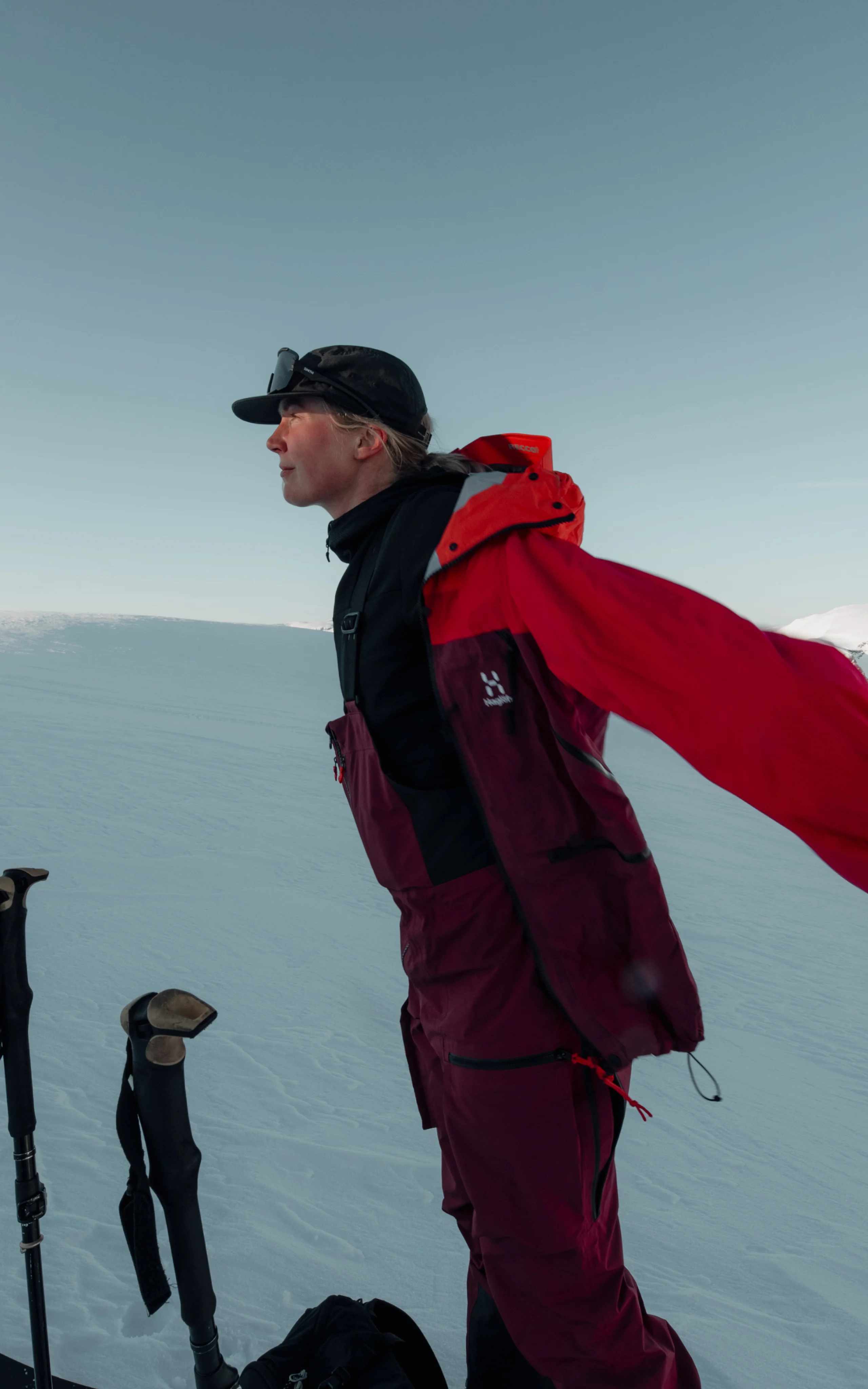
Time to enjoy the cold and more
With these three specialized layers, you're prepped for everything from sudden snowstorms to steep hikes in the midday sun. And combined with a functional hiking pack, adding and shedding layers will feel as intuitive as putting one foot in front of the other. The only thing left to do? Finding your next adventure.