Layering guide
Haglöfs Guides
Why dress in layers?
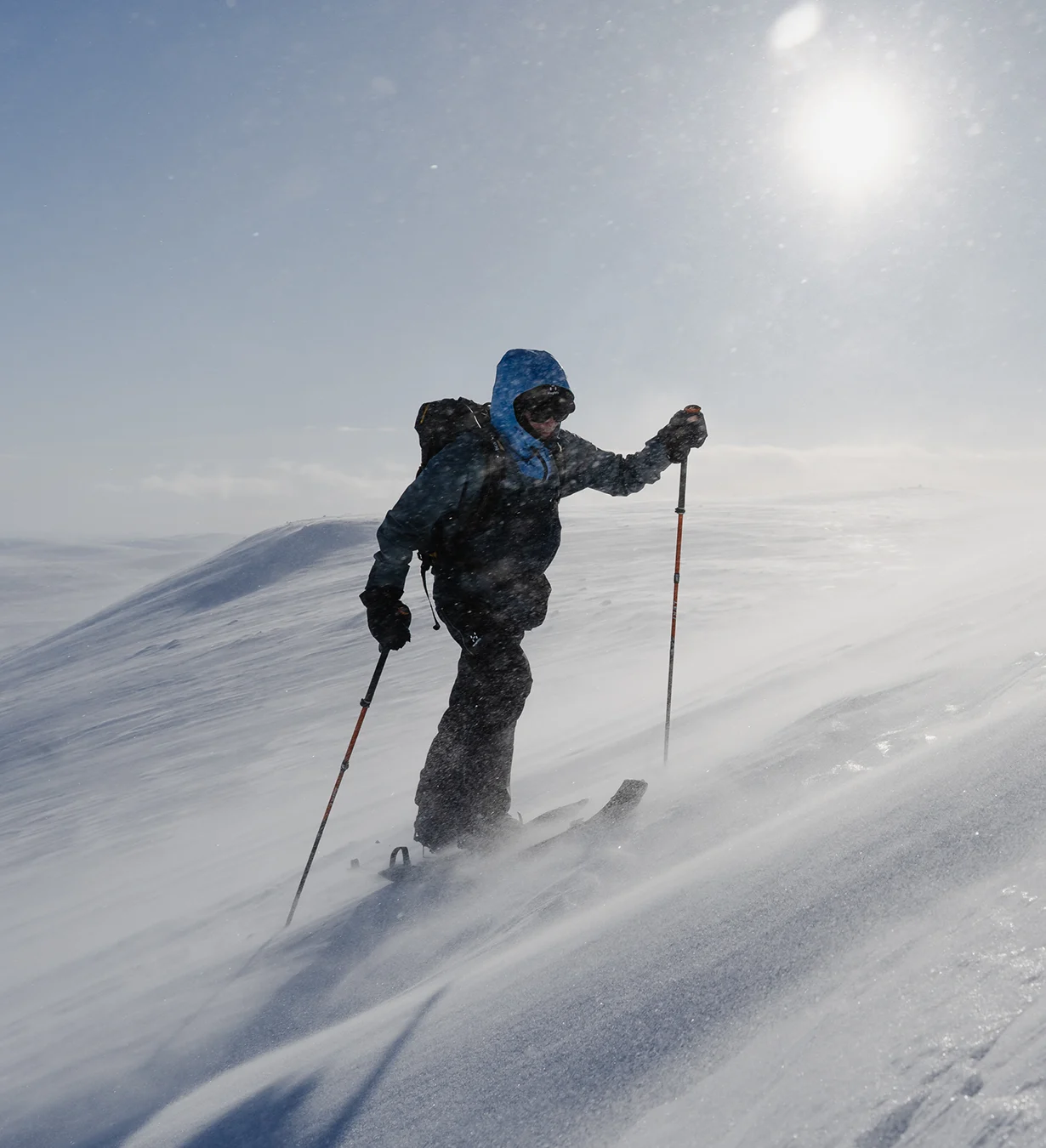
The art of layering is no secret. And it’s not that complicated either. When done correctly, dressing in layers gives you a great superpower while pursuing your favorite outdoor activities. That is, you stay warm and dry—and that means more time (and fun) outside.
Using the layering system when getting dressed for the outdoors gives you three main advantages:
- It moves moisture away from your skin
- It helps conserve heat
- It protects you from the elements
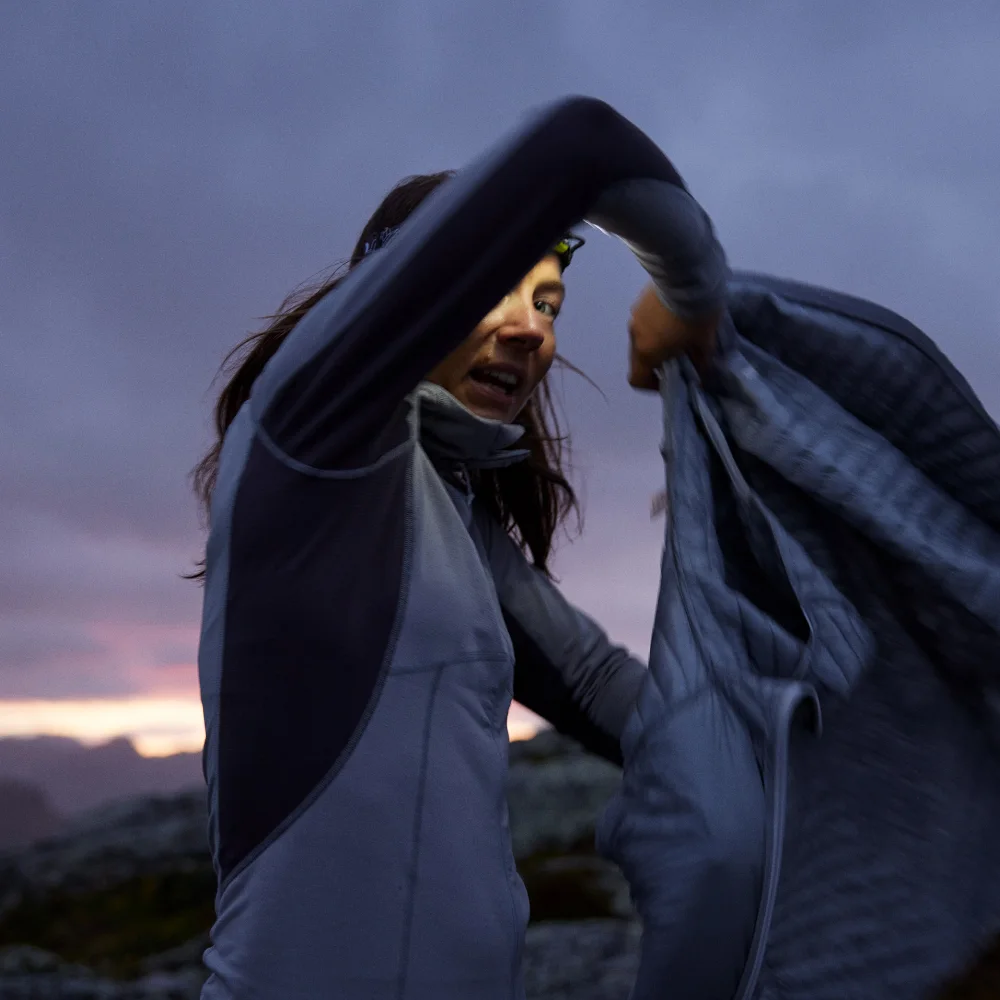
Using the layering system also gives you the flexibility to adapt to both changing activity levels and weather conditions by simply removing or adding layers, thus keeping you comfortable all day long. And while we’re talking about comfort, another benefit worth mentioning is that layering garments enables them to move over each other easily so that you, in turn, can move freely without any chafing.
The classic 3-layer system
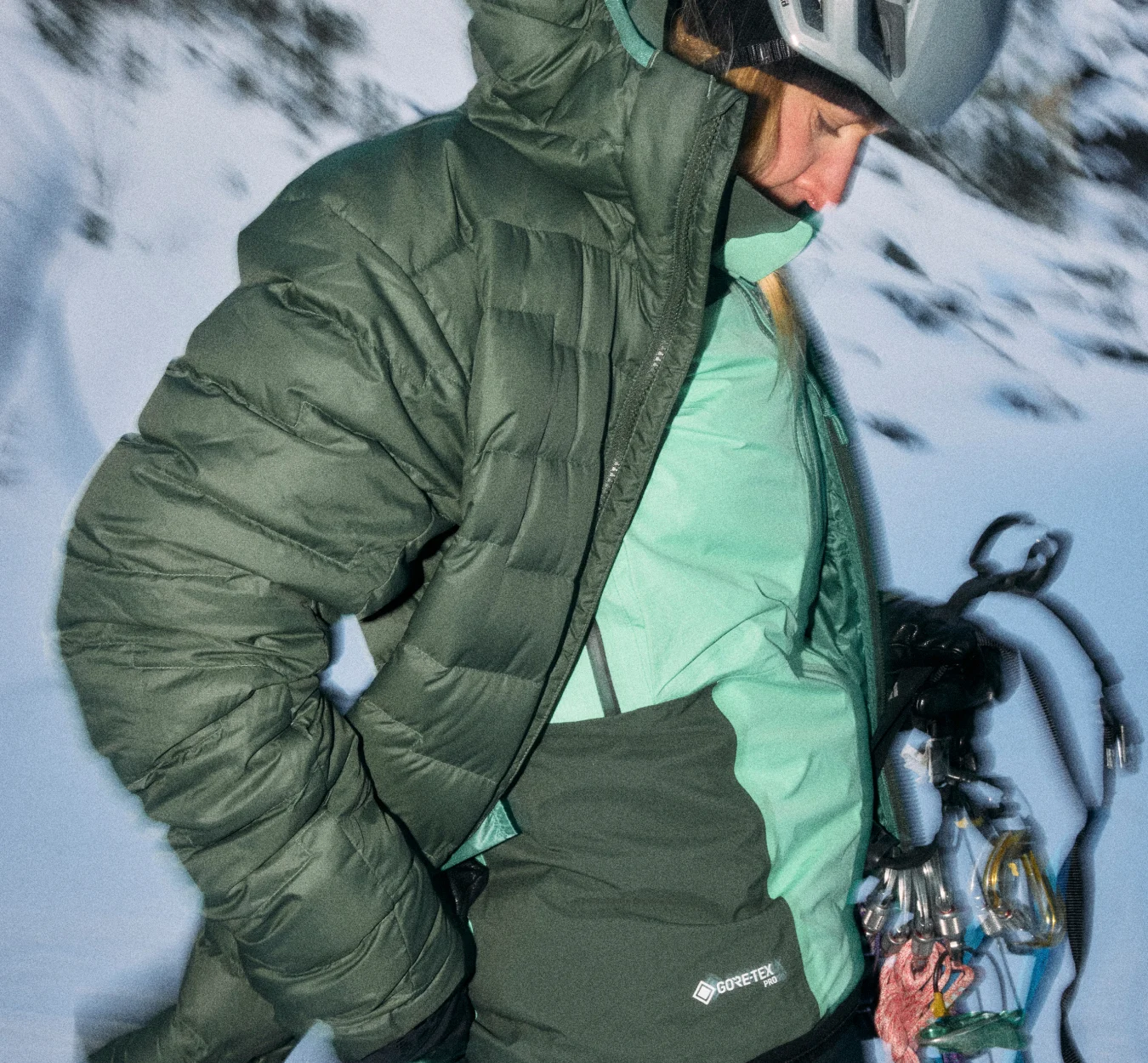
The classic, three-piece layering system is the most common one and it consists of a base, a mid-layer, and an outer shell. However, depending on the weather, you might consider increasing it to four pieces by adding a second mid-layer. But a general rule is quality over quantity.
Baselayers
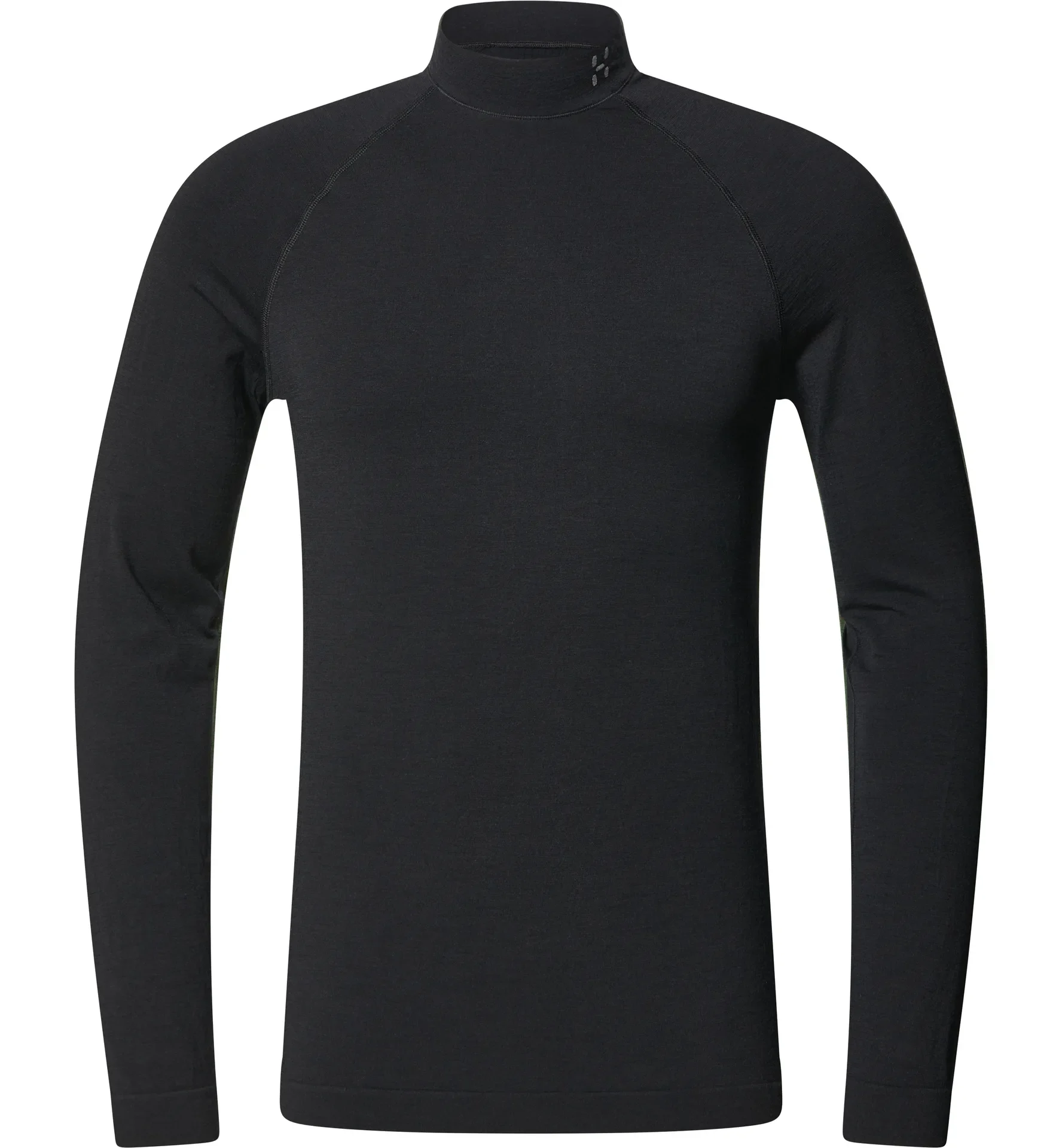
A base layer is a thin inner layer that keeps you dry. For optimal functionality,be sure to choose a lightweight base layer with a snug fit.
Primary function: Wicks away sweat, dries fast, regulates your body temperature.
Common materials: Synthetics, wool or a mix of synthetic and wool materials.
When it comes to materials, your primary choices are synthetics, wool, or a synthetic-wool blend (which can give you the best of both worlds).
| Synthetic base layers: |
|
| Wool (especially merino wool) base layers: |
|
Midlayer
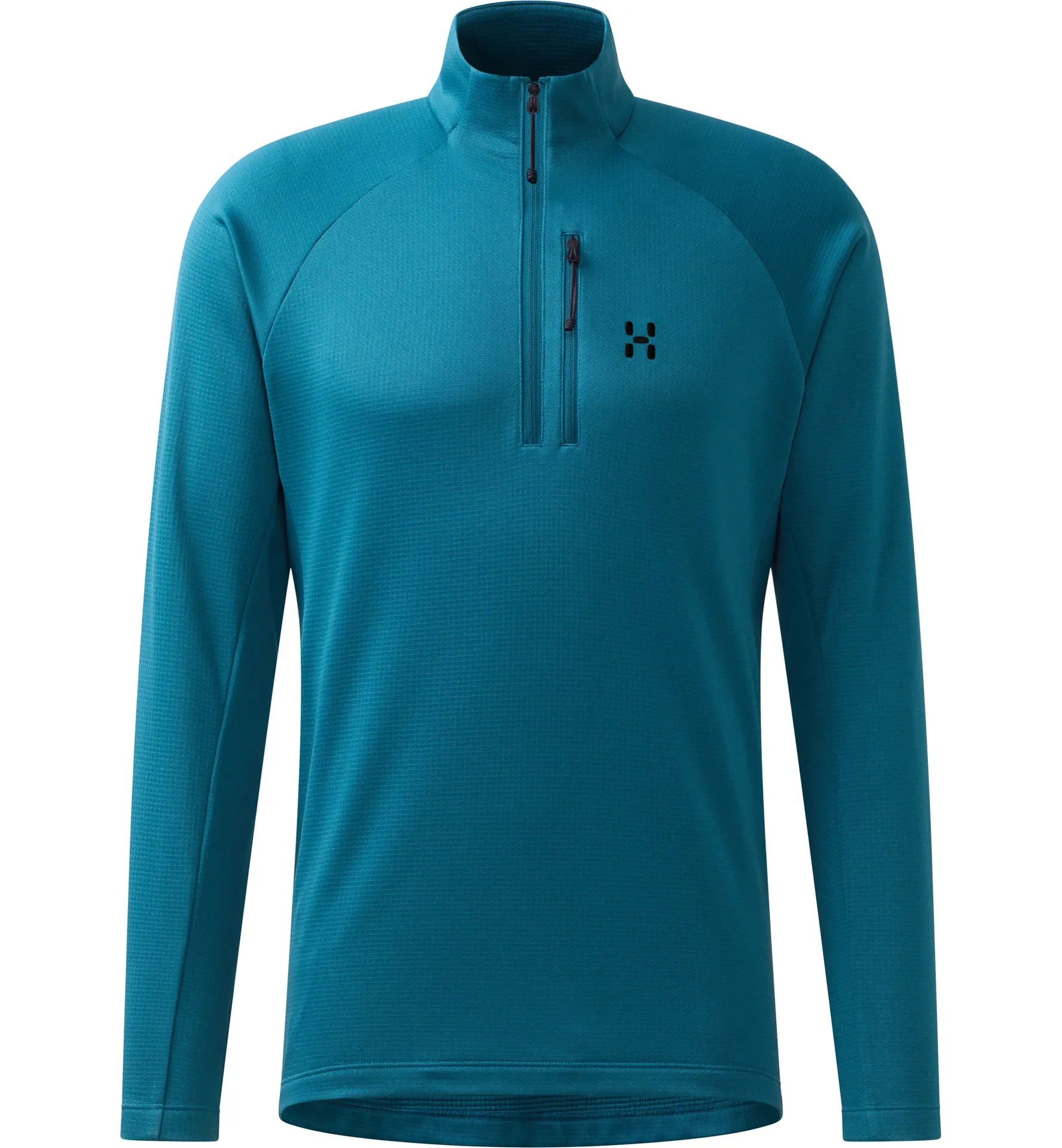
A mid-layer is a thicker insulating layer that traps body heat and keeps you warm.
A typical mid-layer is a fleece jacket or vest, or a puffer jacket filled with down or synthetic insulation. For pulse-raising activities, a lightweight and breathable fleece is ideal, while cold-weather activities after sundown or activities that involve standing outside for longer periods might require an insulated jacket.
Primary function:
Supplies insulation that helps you stay warm
Common materials:
Down, fleece, synthetics, wool.
For mid-layers, there are a lot of materials to choose from, including down, fleece, synthetics and wool. Again, the best choice depends on your activity level. It also depends on your comfort preferences.
| Down (duck/goose feathers) mid-layers: |
|
| Fleece (synthetic wool) mid-layers: |
|
| Wool mid-layers: |
|
| Synthetic mid-layers: |
|
Shell layer
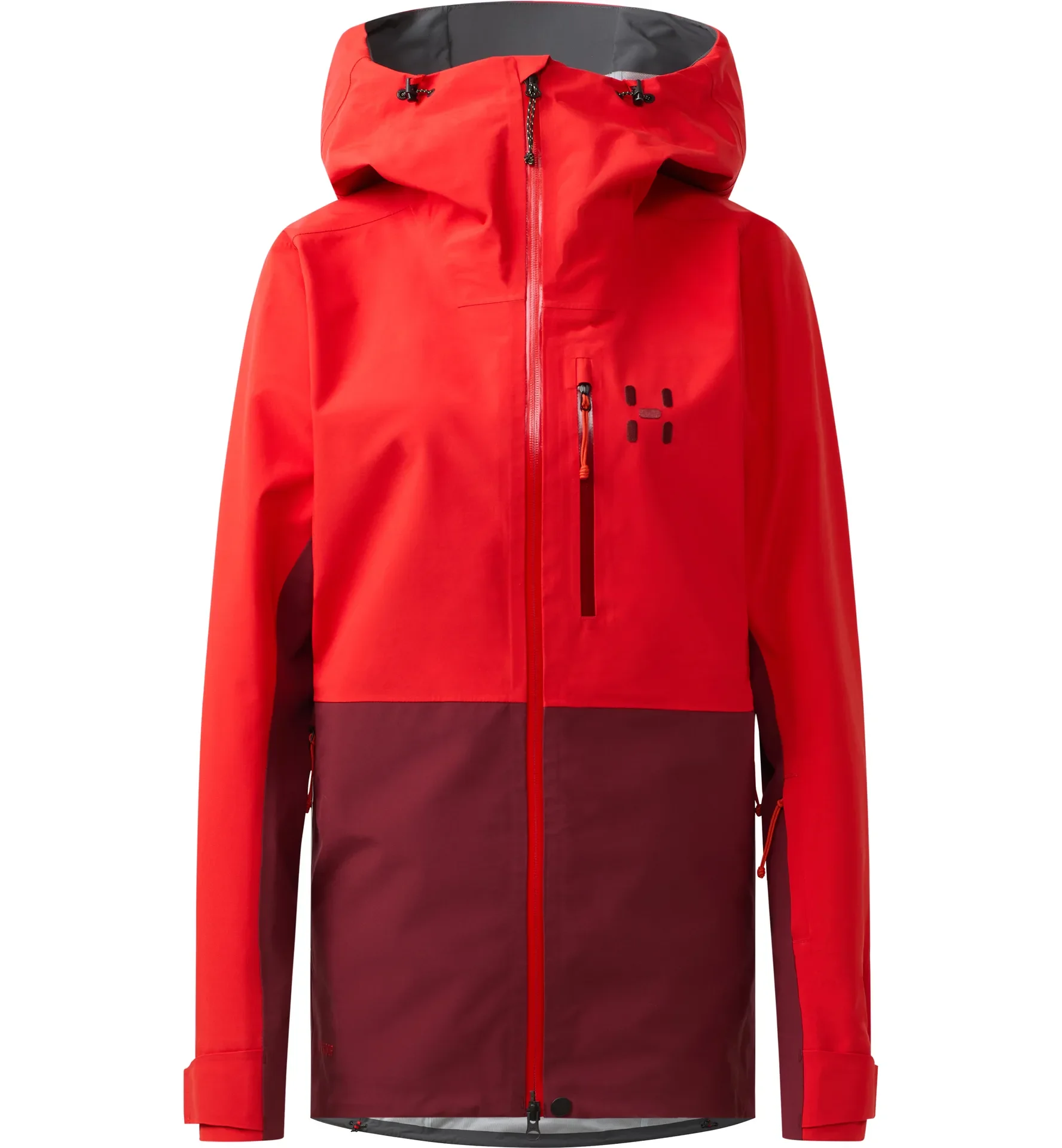
The final step in your layering endeavor, the outer shell is a thin and protective outer layer that helps repel the elements and keeps all the layers underneath it dry.
Primary function:
Keeps you dry and supplies weather resistance.
Common materials:
Synthetics
Outer shells come with in a range of different weights and protective properties. Which one you should choose depends on your activity level as well as the weather conditions you expect to face.
| Waterproof outer shells: |
|
| Water resistant outer shells: |
|
| Windproof outer shells: |
|
| Wind resistant outer shells: |
|
| Softshell outer shells: |
|